
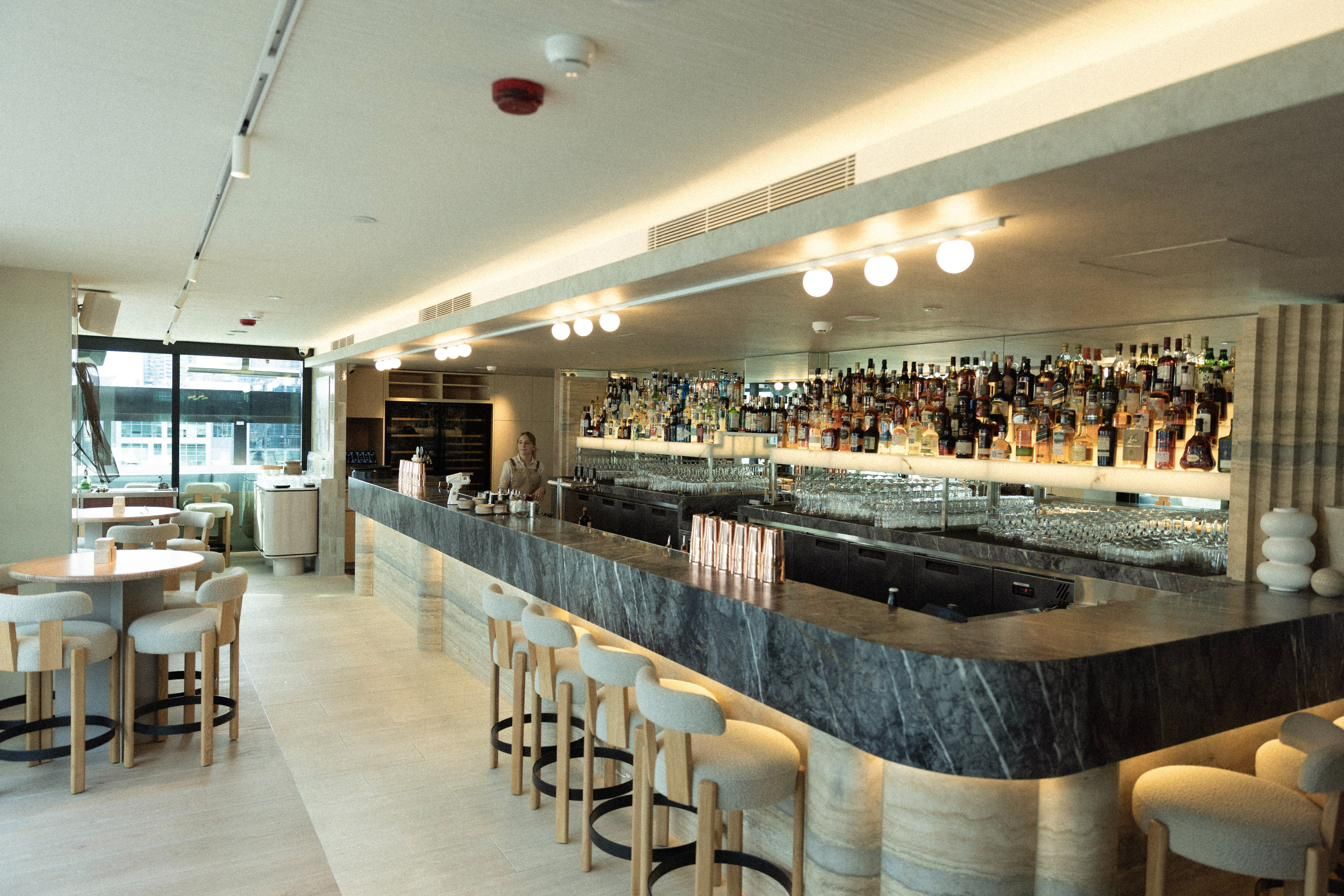

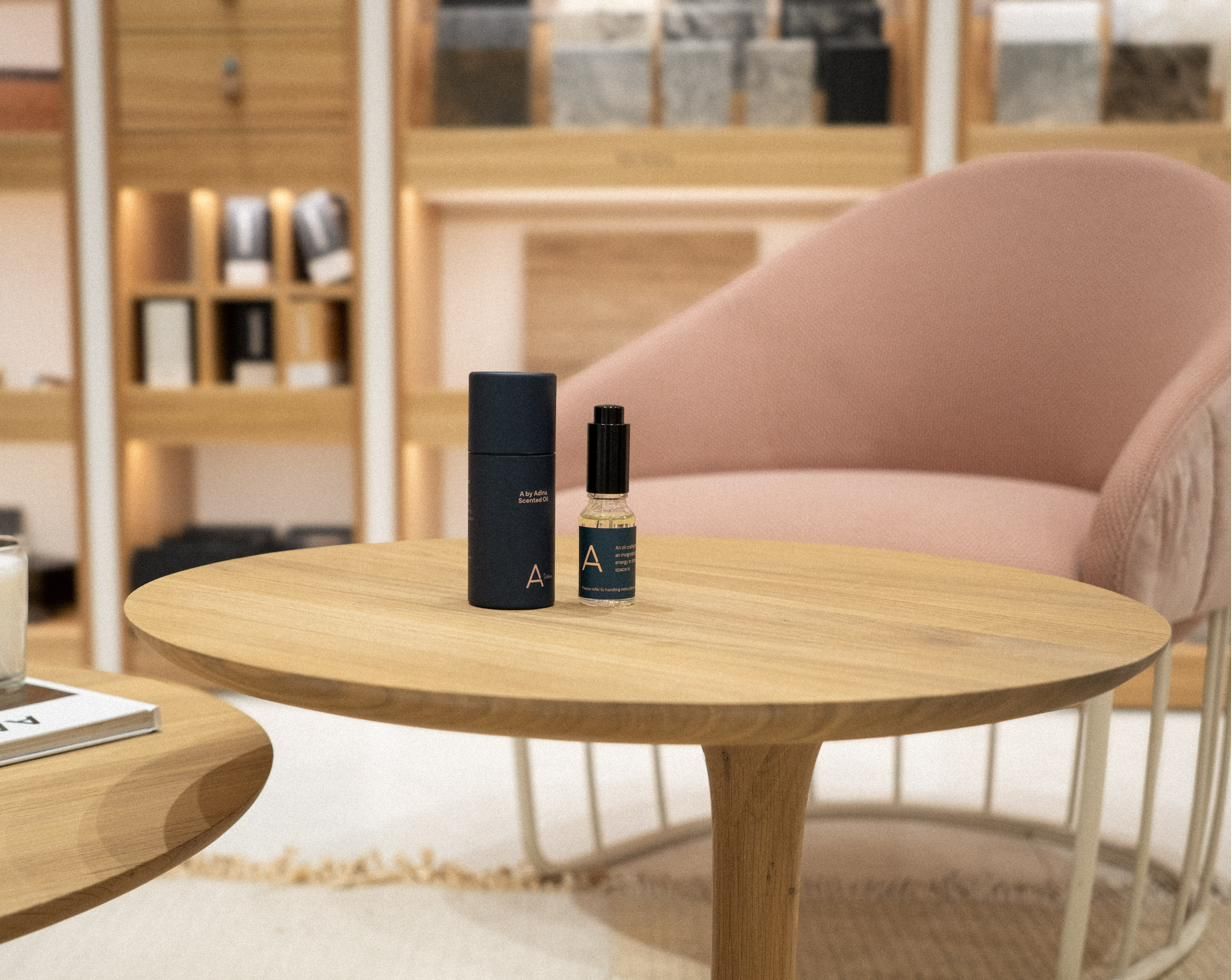
The Missing Sense in Spatial Design
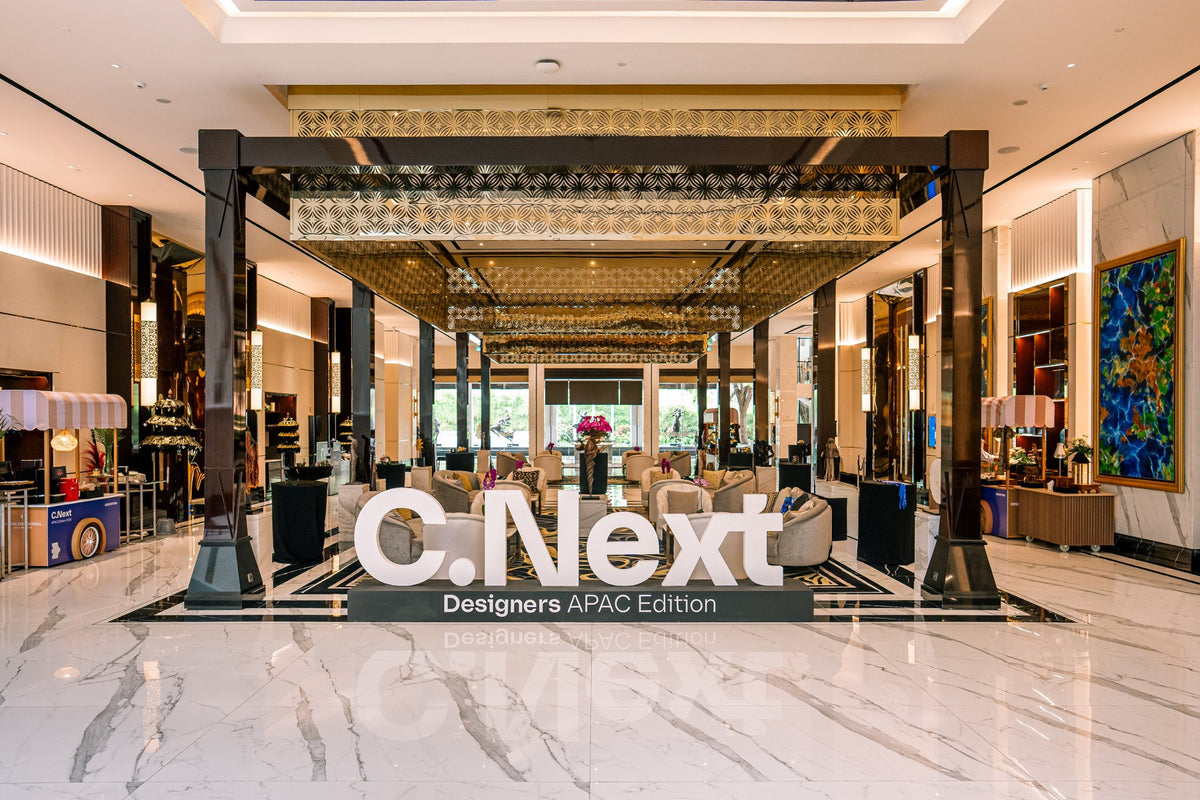
At Cosentino's C.Next Designers APAC in Bali, conversations with architects and interior designers kept returning to one question: why is scent so often left out of the design process?
In brief
- Architects and interior designers specify materials, lighting, texture and acoustics with great care, yet scent is often considered late in a project, if at all.
- Our sense of smell is closely linked to memory and emotion, so scent shapes how a space is felt and remembered.
- Specifying scent early lets the fragrance, diffusion technology, placement and intensity be designed into the project rather than added afterwards.
- Scent Australia was an event partner at Cosentino's C.Next Designers APAC in Bali in October 2026.
A beautifully designed space has a way of making us feel something before we understand why. It might be the warmth of timber against cool stone, the way afternoon light moves across a room, or the calm that comes from carefully considered acoustics.
None of this happens by accident. Architects and interior designers spend years refining how physical environments influence the people who use them. Every surface, material and finish shapes an experience that goes well beyond how a space looks.
It's a perspective we had the pleasure of exploring at Cosentino's C.Next Designers APAC, held in Bali in October 2026.
As an event partner, Scent Australia joined nearly 200 architects, interior designers and industry professionals from across the Asia-Pacific for a programme dedicated to design, materials and the future of the built environment. With speakers including Tom Dixon and Keiji Ashizawa, it was a rare chance to exchange ideas with people shaping the spaces around us.

Among the conversations about creative vision, materials and the experience of a space, one question stayed with us.
For all the attention we give to how a space looks and feels, why do we so rarely consider how it smells?
The part of design we don't see
Every space has a scent, whether it has been considered or not.
The natural character of timber, freshly laundered linen, the outdoors drifting through an open window. These details become part of how we experience a place, often without us noticing.
Yet while designers carefully consider lighting, acoustics, texture and temperature, the scent of a space is often left to chance.
It's a curious omission, given how closely scent is tied to memory and emotion. Our sense of smell has close neurological connections to the parts of the brain involved in emotion and memory. That is why a familiar fragrance can bring back a place or moment with remarkable immediacy, sometimes years later. Read more about the science of scent.
Think of a hotel you return to, a favourite store or a place tied to a particular time in your life. Its identity is made up of far more than what you see. The sounds, the atmosphere and the scent become part of how you remember it.
For architects and interior designers, that opens up another dimension of the environments they create.
Making room for scent in the design process
What stood out most at C.Next was the intention behind every design decision.
A stone is specified for its texture and character. Lighting is chosen to set the mood of a room. Materials are brought together to create warmth, restraint or contrast.
We believe fragrance deserves a place in those conversations.

When scent is considered early, it can respond to the same creative vision that informs the architecture and interiors. A fragrance might complement the natural materials of a space, reinforce the atmosphere of a hospitality venue or become a recognisable part of a brand's physical identity, a signature scent that belongs to that space alone.
There is a practical advantage too. When scent is part of the design, diffusion technology, air circulation, placement and fragrance intensity can be planned alongside the rest of the project, including scenting through the HVAC system where that suits the space. The finished experience feels seamless rather than added on.
More fragrance doesn't make a better experience. Some of the most effective scenting is barely noticeable. It adds to the atmosphere without competing with the architecture or drawing attention away from the space.
Intention is what matters.
That's why collaboration with architects and interior designers is central to how we work at Scent Australia. Understanding the materials, purpose and creative direction of a project lets us develop or select a fragrance that feels right in its surroundings. It's also why we believe scent should be treated with the same care as any other design element.
A shared appreciation for considered design

Beyond the programme itself, C.Next was a reminder of how much relationships matter in the design industry.
Cosentino has built a strong community through genuine engagement with the people who specify and use its products. It's an approach built on understanding a designer's vision and contributing expertise throughout the creative process, and it's one we share.
Good design is rarely the work of one discipline in isolation. It comes from collaboration, curiosity and an understanding of how each element contributes to the whole.
As the industry continues to move towards more considered, experience-led environments, we believe fragrance has an increasingly important role to play.
After all, the spaces that stay with us aren't always the ones that make the strongest visual impression. Often, they're the ones that leave us with a feeling we can't quite explain.
And sometimes, it's the scent that brings that feeling back.
Questions designers often ask us
Why should scent be part of interior design?
Scent is closely linked to memory and emotion, so it shapes how people feel in a space and how they remember it. Considering it alongside materials, lighting and acoustics means the fragrance supports the design intent instead of being an afterthought.
When should scent be specified in a project?
As early as possible, ideally while materials and services are being planned. That allows the fragrance, diffusion technology, placement and intensity, and any connection to the HVAC system, to be designed into the project.
How does Scent Australia work with architects and interior designers?
We start by understanding the intended atmosphere, the materials, the purpose of the space and the people who will use it. From there we develop or select a fragrance and recommend how it should be diffused in the space. You can start with a signature scent brief or simply get in touch.
Can I experience the fragrances in person?
Yes. Architects and designers are welcome to visit our Port Melbourne showroom to experience how scent shapes a space. Contact us to arrange a time.
Our thanks to Cosentino and the C.Next team for inviting Scent Australia to be part of C.Next Designers APAC 2026, and to the architects and designers who shared their perspectives with us in Bali.
Designing a space where scent could play a part? Talk to our team or arrange a visit to our Port Melbourne showroom.