




Commercial Scent Diffusers and HVAC Scenting: A Buyer Guide
A technically useful comparison of commercial scent delivery approaches for facilities, operations and marketing buyers: how diffusion works, when HVAC or standalone systems suit a site and why site assessment can be required.
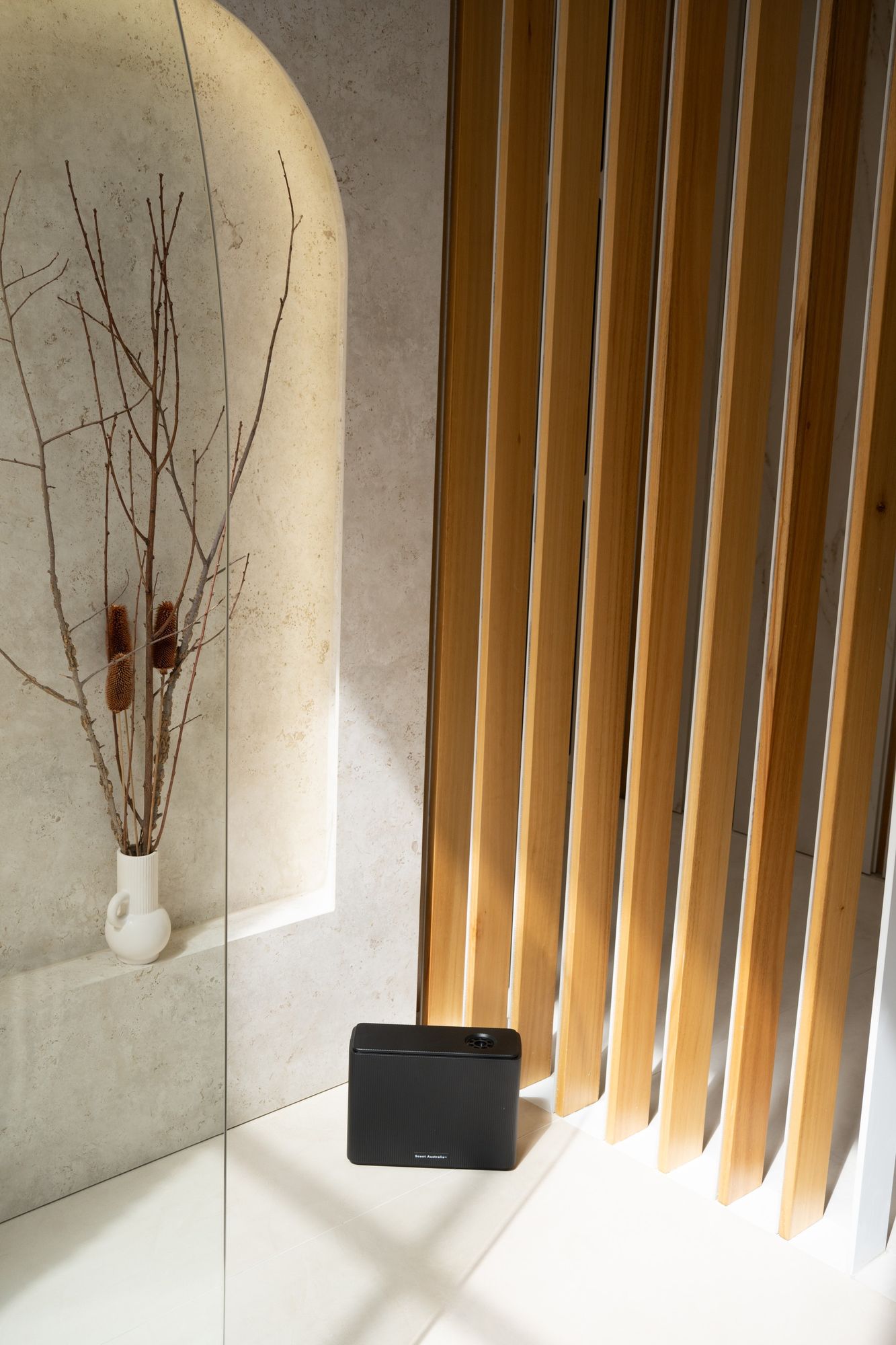
HVAC scenting distributes fragrance through a compatible air-handling system, while standalone commercial diffusers deliver scent from equipment installed within or near the target area. Each has its strengths, and the right choice depends on the building, the number and shape of scent zones, control requirements, installation access, operating pattern and rollout plan, which is why Scent Australia assesses the site before finalising a specification.
How commercial diffusion works
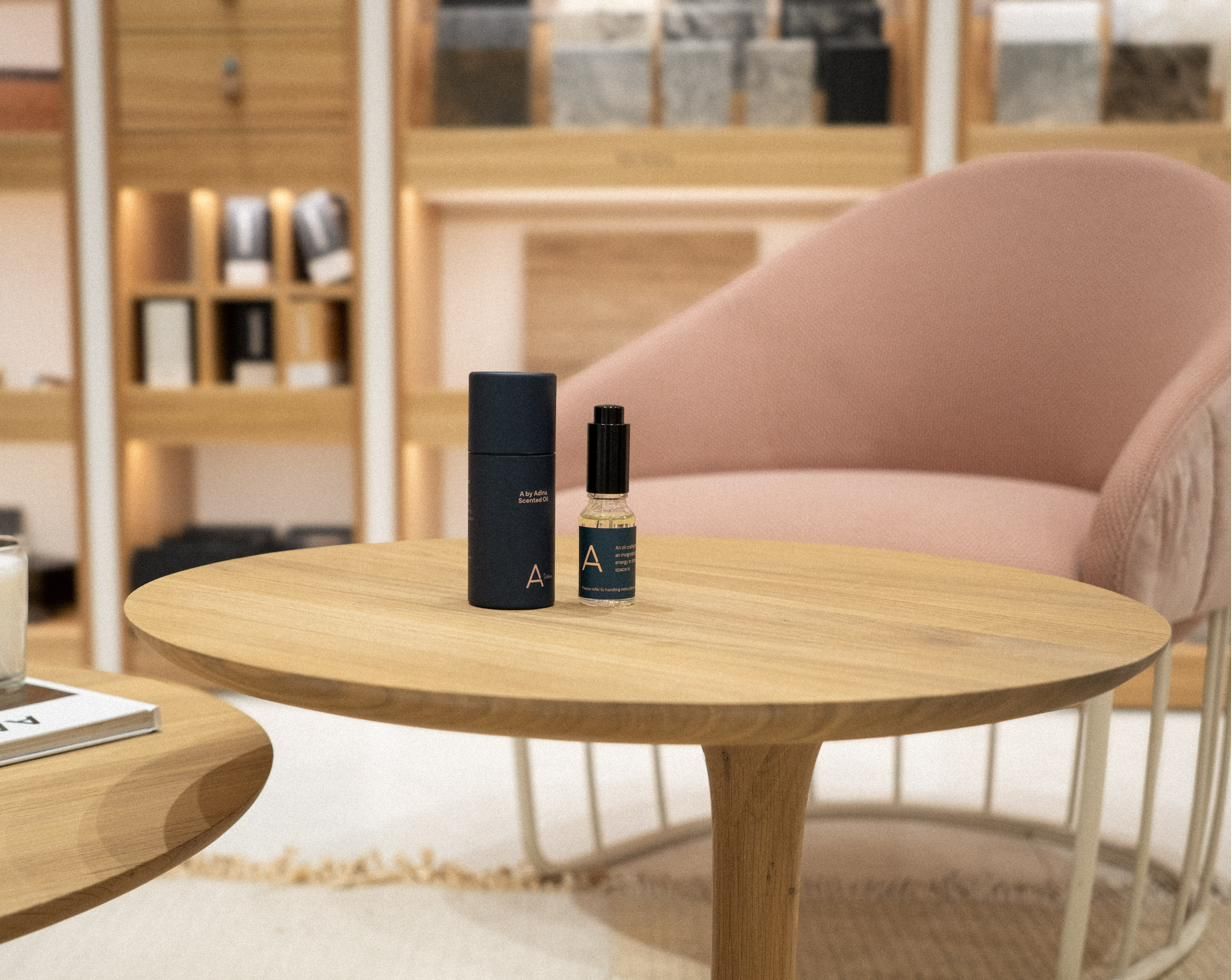
Commercial systems use cold-air diffusion: micro nebulisation or micron diffuser technology atomises fragrance oil into a fine dry mist without heat or water. Intensity is set through output level, operating hours, placement and blend, and confirmed in the space.
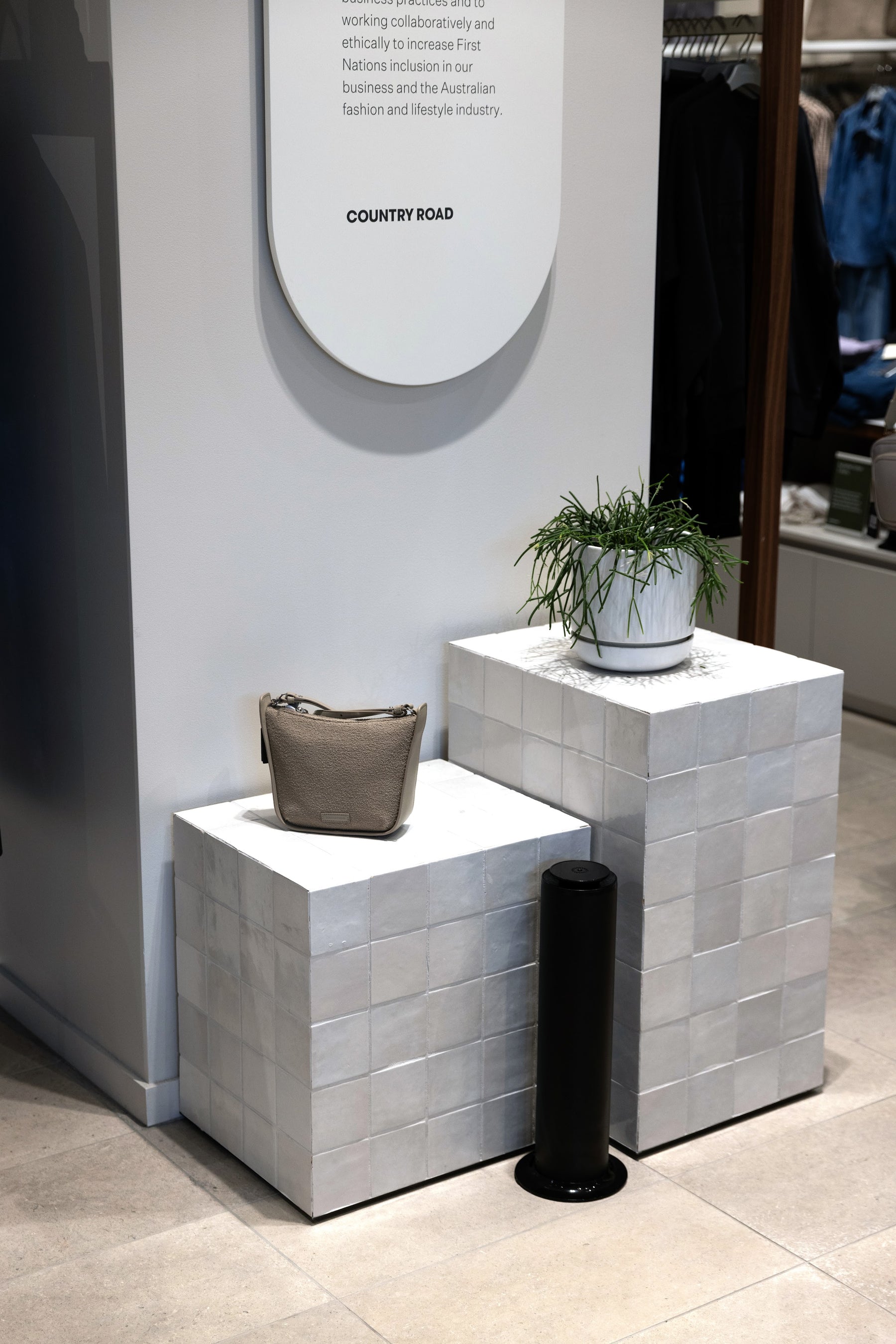
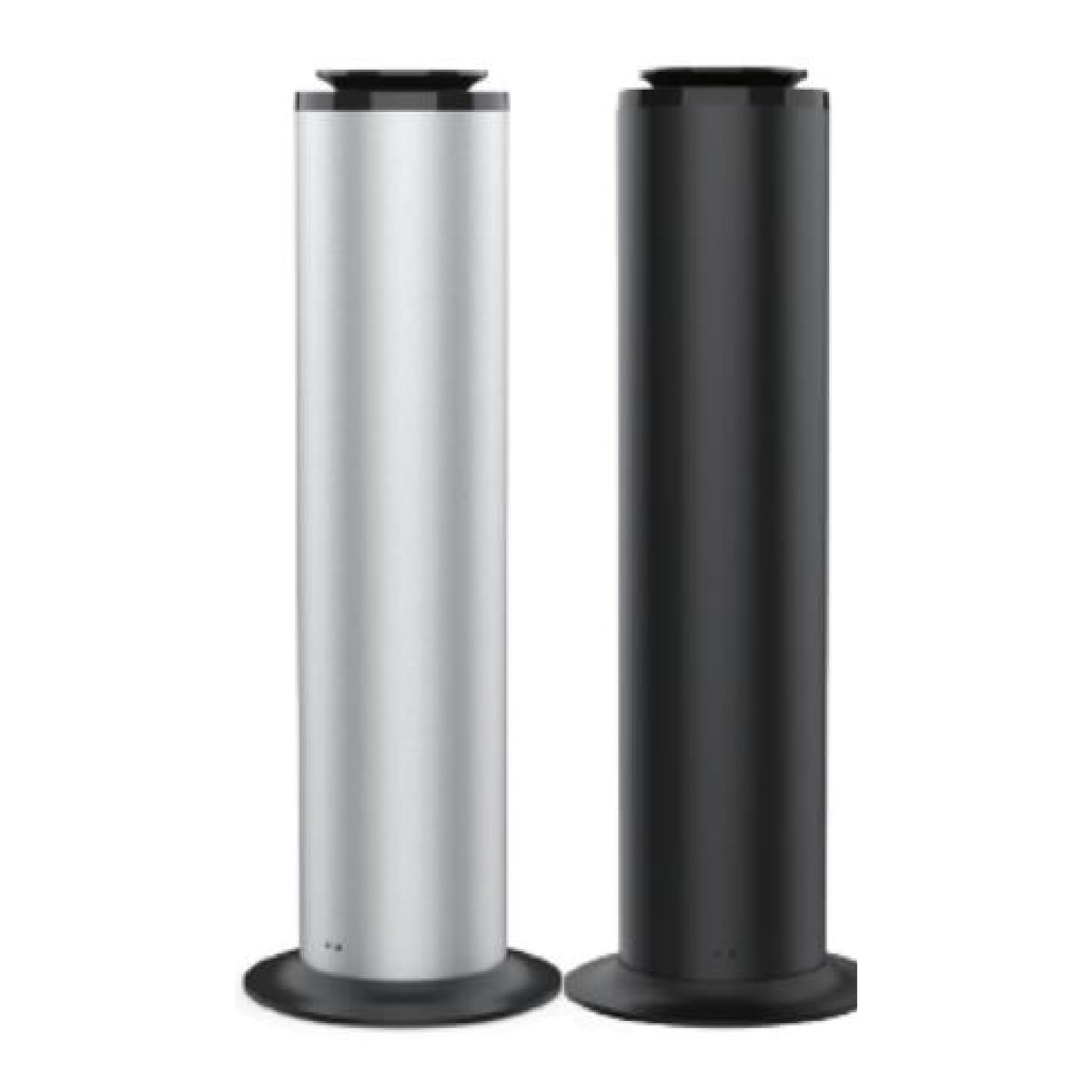
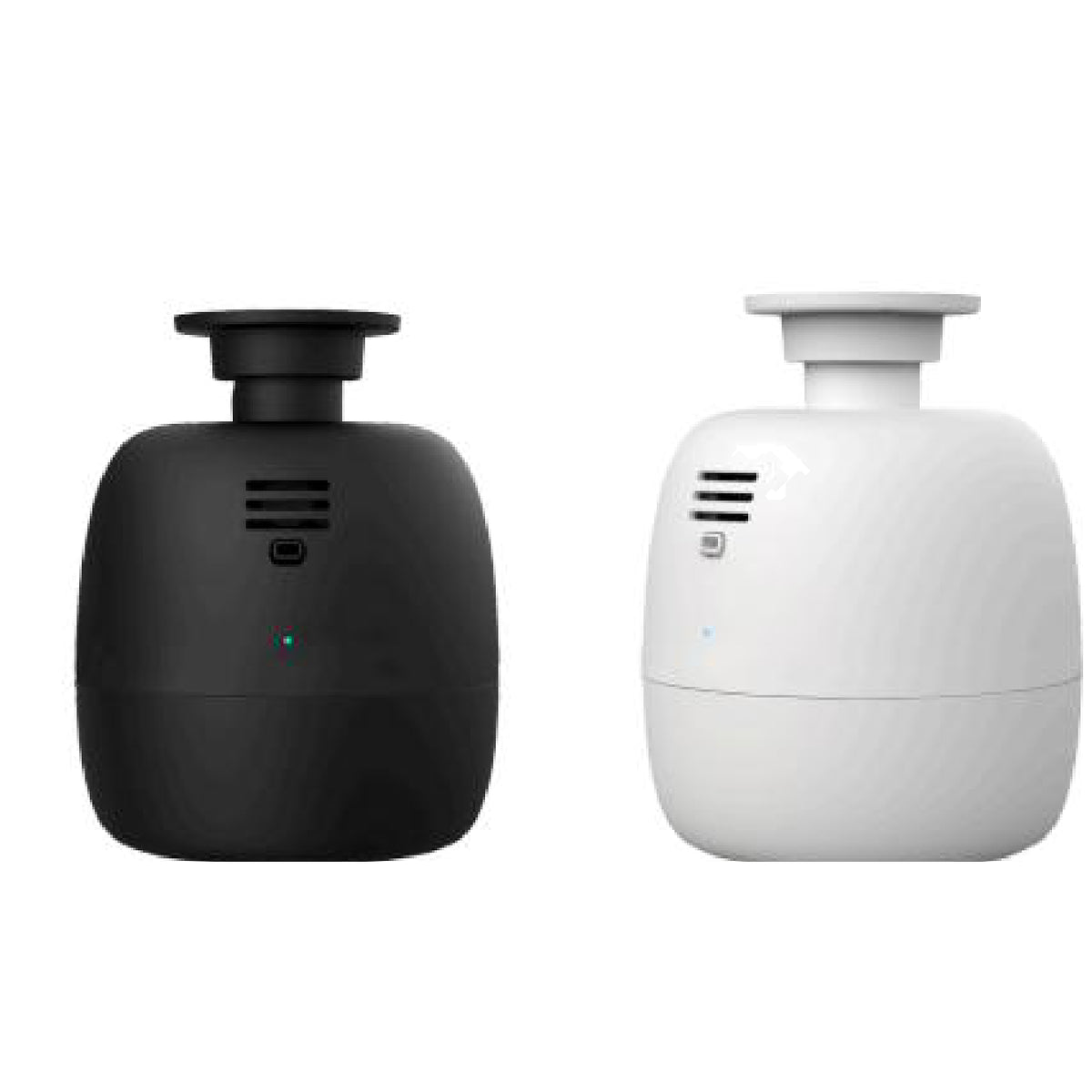
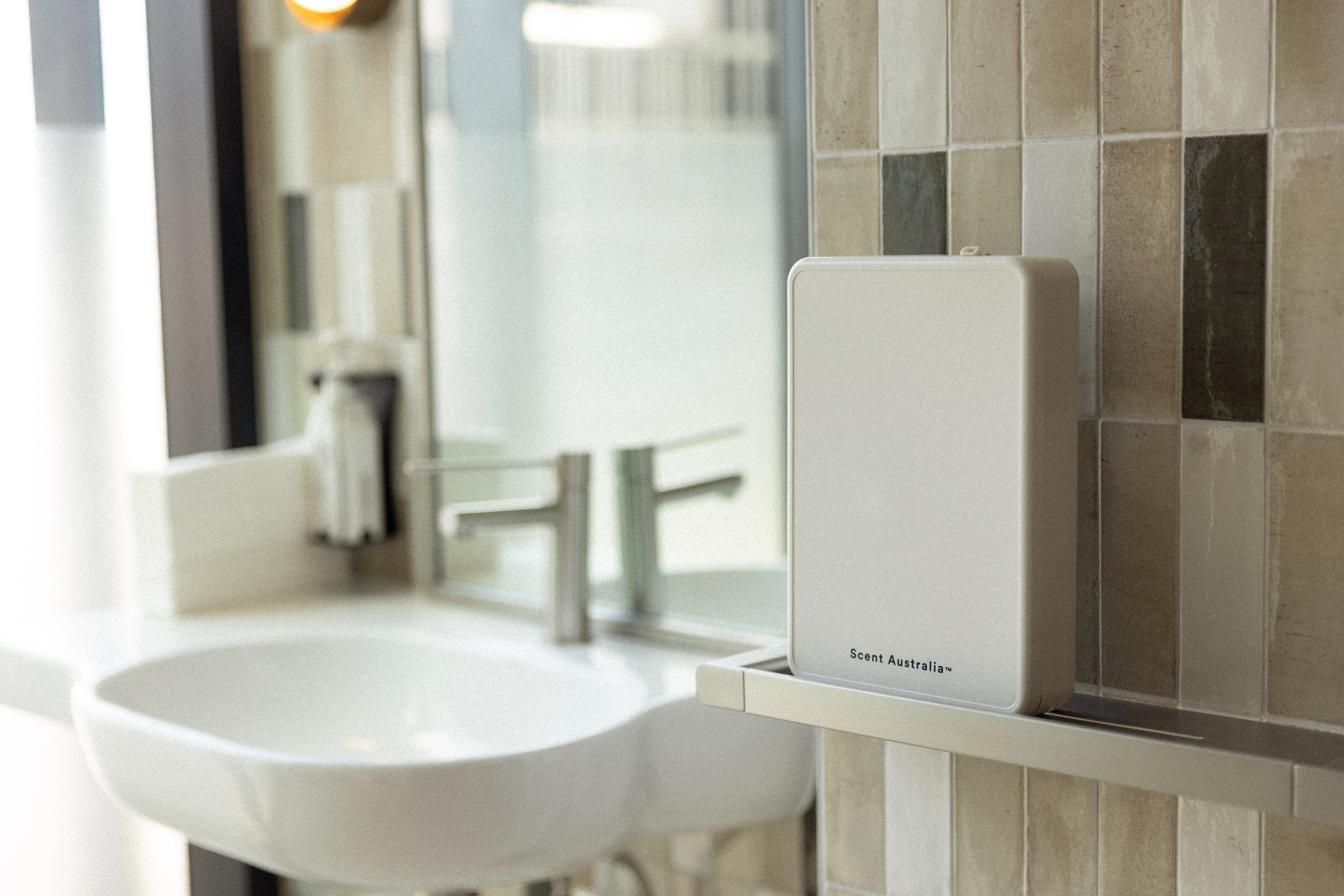
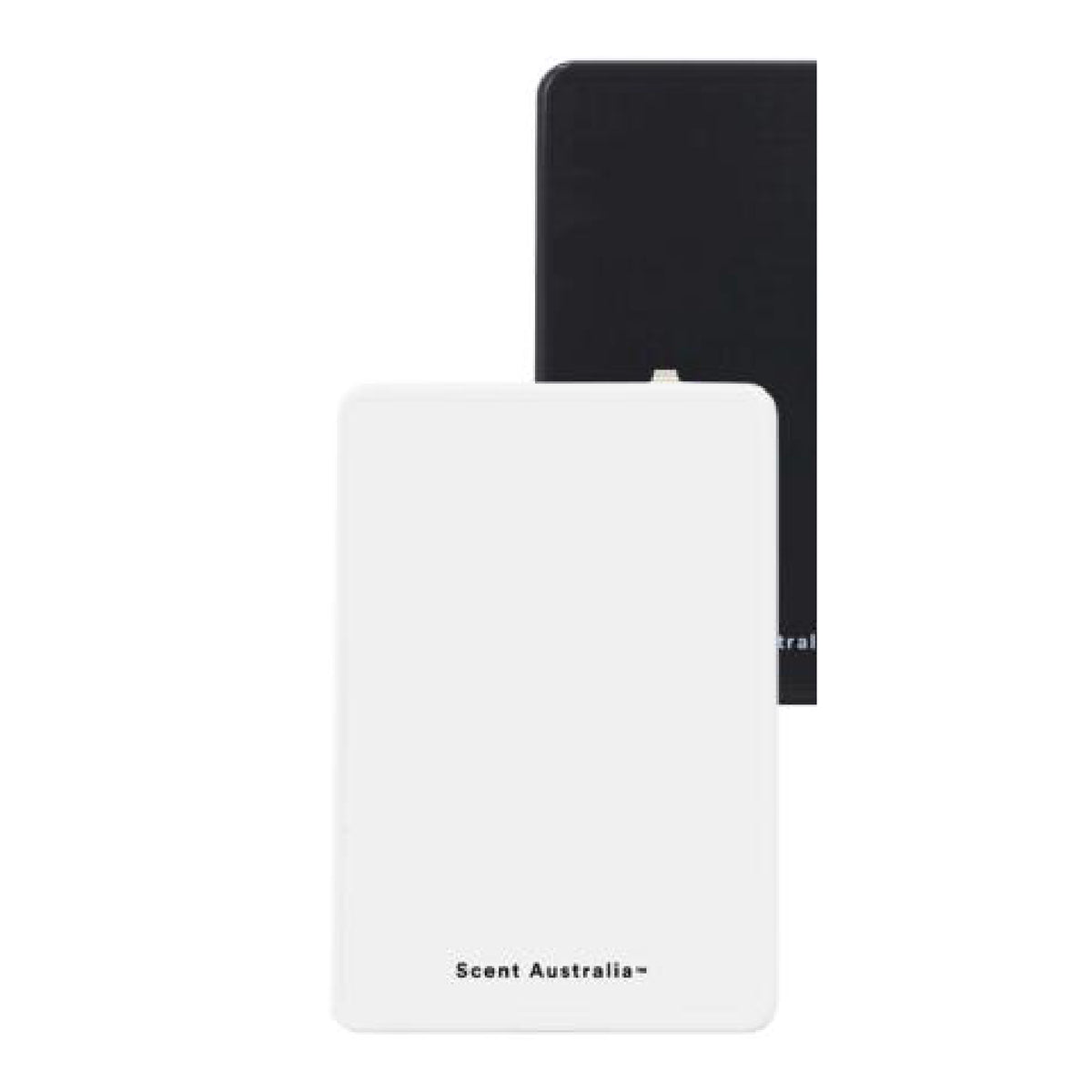
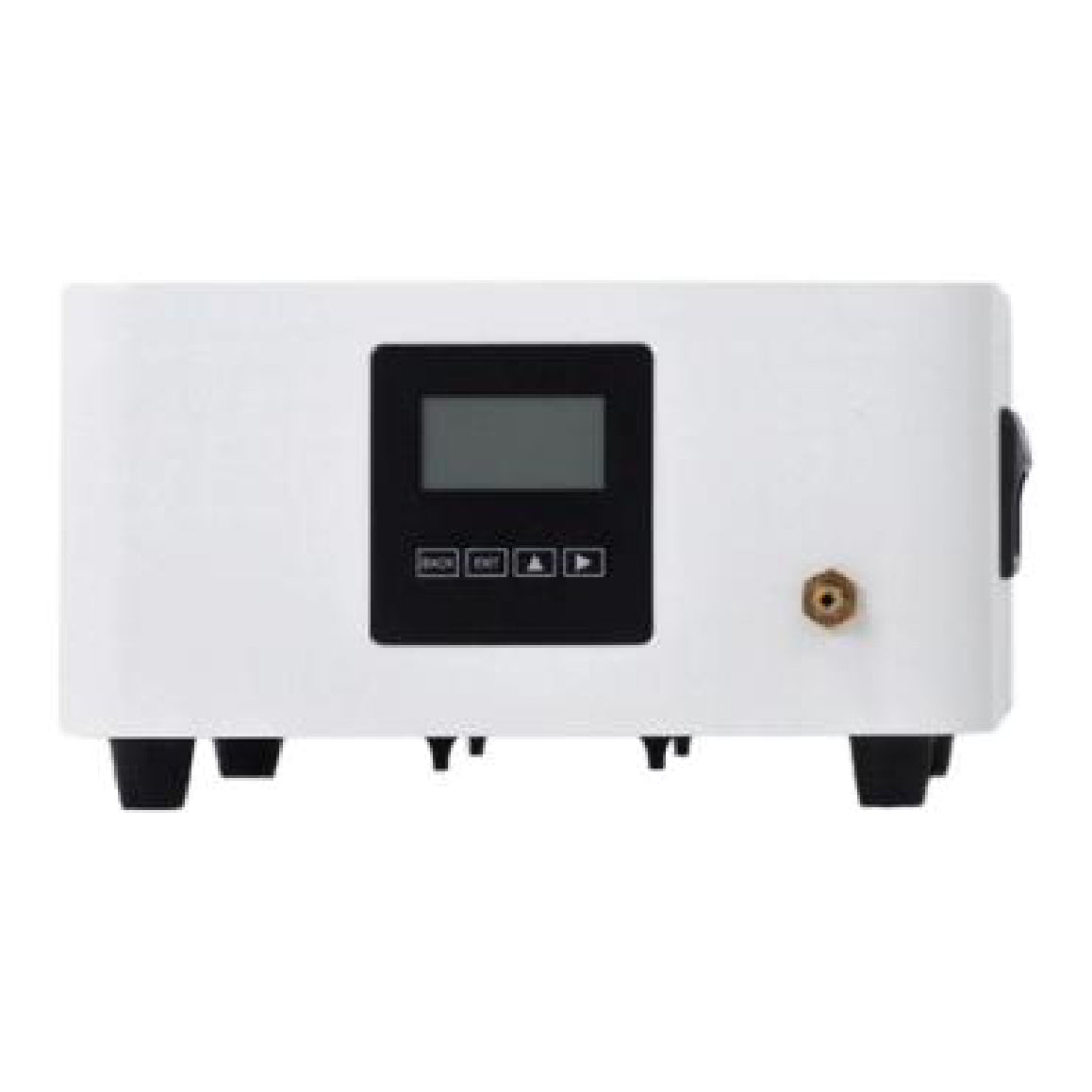
Standalone systems



Compare approaches
Use the comparison below to see where each approach performs best.
| Decision factor | HVAC scenting | Standalone commercial diffusers |
|---|---|---|
| Best fit | Often considered for larger connected areas where a compatible HVAC system can distribute scent through the intended zone. | Often considered where localised control, simpler deployment or distinct scent zones are required. |
| Zoning | Zones follow the building's air-handling layout, so scent reaches the areas each system serves. | Can be placed to serve defined local areas, subject to site assessment. |
| Installation | Requires technical assessment of the relevant HVAC environment and installation access. | Installation requirements vary by unit and site; some deployments can be less infrastructure-dependent. |
| Control | Control depends on the equipment, site configuration and approved operating settings. | Local or portfolio-level control depends on the selected commercial system. |
| Multisite rollout | Can suit repeatable site formats where HVAC conditions are sufficiently consistent. | Can suit portfolios with varied site conditions because systems can be selected location by location. |
| Plan for | A site assessment of the air-handling design, so the system is specified to perform. | Assuming a single unit can serve an area without considering layout, airflow and obstructions. |
When HVAC scenting may be worth assessing
More on when HVAC scenting may be worth assessing
- The target experience covers a substantial connected area rather than a single small zone.
- The relevant air-handling system serves the areas that need to be scented.
- The site permits access for technical assessment and installation.
- The business wants a discreet delivery approach with limited equipment visible in customer-facing areas.
When standalone systems may be worth assessing
More on when standalone systems may be worth assessing
- The site needs distinct local scent zones.
- The HVAC system does not align with the intended scenting area.
- The project needs a deployment approach that can adapt across very different sites.
- The site has installation or tenancy constraints that make HVAC integration impractical.

Space volume and airflow
A nominal floor area does not tell you whether one system can serve a space. Ceiling height changes the volume of air in the environment; supply air, extraction, open doors and other airflow change distribution.

Zoning
Walls, corridors, lifts, doorways and separate rooms create distinct scent zones. The assessment identifies which zones need scenting and specifies each separately.
Controls and scheduling
Current systems set operating hours and intensity through the Bluetooth Scent App; HVAC units use electronic timing. Schedules follow trading hours and are adjusted after commissioning.

Installation
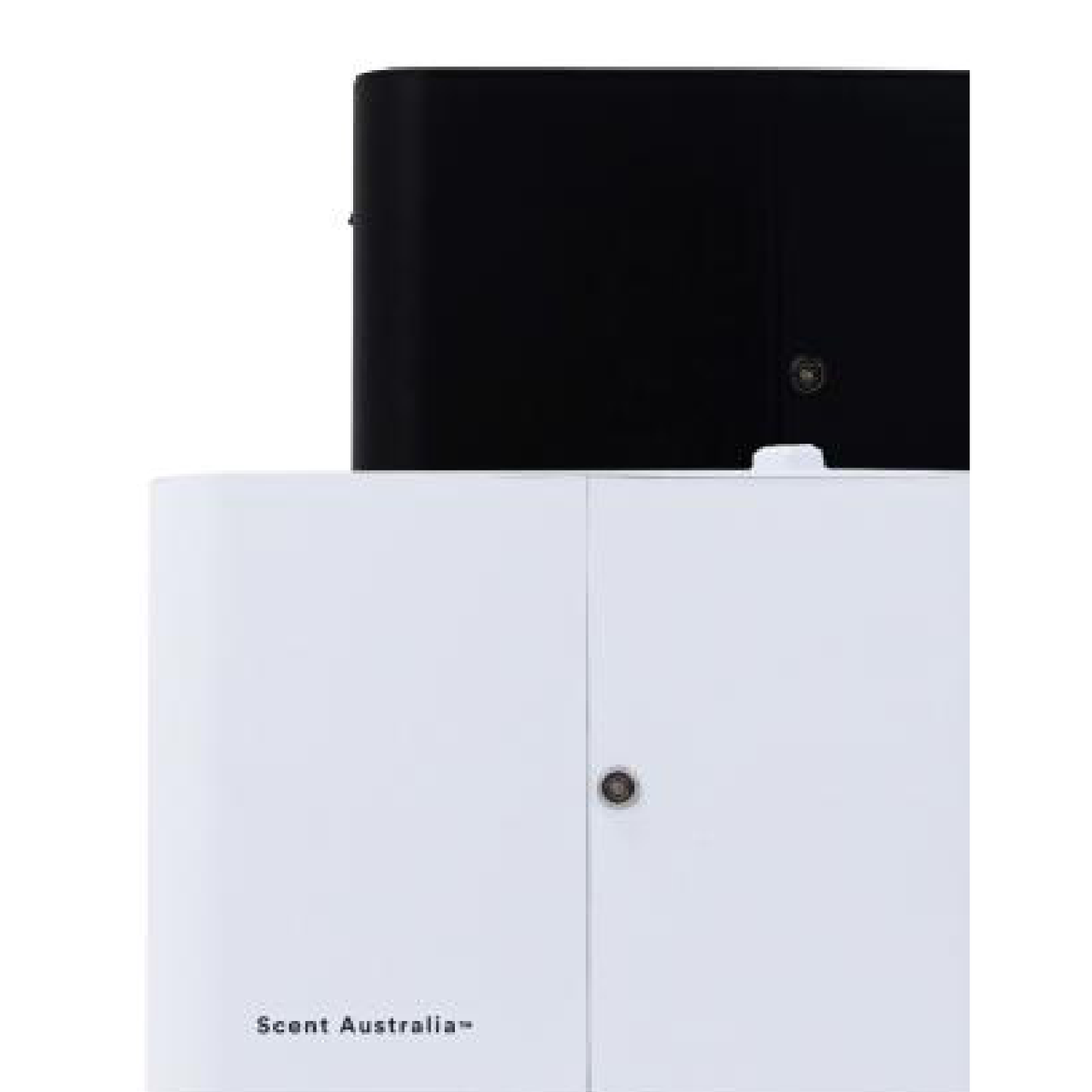
Standalone units are commissioned in the space. HVAC units require shelf support, clearance beneath ductwork and access to supply air, in coordination with facilities or mechanical contractors.

Maintenance
Refills or cartridge changes, device checks and setting management follow the service plan for the site.

Multisite
Approved equipment classes are set centrally; output and placement vary by site.
Can a project use both?
Yes. A commercial scenting design can use different delivery methods for different zones when the site requires it. The programme is designed around the environment, not around forcing every location into one device type.
Selector
The Diffuser Selector ranks likely system families from published product data and your answers; the Coverage Calculator narrows the indicative equipment class.
Planning tool
Commercial Diffuser Selector
Narrow the likely system families for a space and move into a technical assessment.
About 2 minutes. You receive: ranked system families with reasons, plus a clear next step.
Questions we are often asked
HVAC or standalone?
Neither is automatically better. HVAC suits large connected areas served by a compatible air-handling system; standalone suits defined zones, retrofits and constrained spaces. Many sites use both.
How many diffusers do I need?
Floor area is only the starting point. Layout, air movement, ceiling height, zoning and the selected system all matter, and a site assessment confirms the right quantity.
What determines coverage?
Volume, airflow, zoning, doors, use pattern, placement and desired intensity, together with the system's published capability under stated conditions.
Does HVAC scenting affect air purification?
Fragrance delivery and air purification are different functions. For air purification, Scent Australia's sister business, Airdog Australia, provides commercial air-quality solutions.
Related resources


Start with the right conversation.
Build a scent plan in a few minutes, or speak to a Scent Australia specialist about your space, your brand and your timing.