


A Guide to Creating a Signature Scent for Your Brand
For brands considering a proprietary or brand-aligned fragrance: what a commercial signature scent is, when it makes sense, how to brief it and what to decide before submitting a creative brief.
A commercial signature scent is a fragrance developed for a specific brand or environment and used consistently as a brand cue. Deciding to create one involves strategic questions (why the brand needs its own scent and where it will live), creative questions (personality, audience, references), testing questions (how the fragrance behaves through the intended diffusion systems) and deployment questions (how it will be rolled out and serviced across sites). Price, timing and ownership terms are confirmed in consultation.

What a signature scent is
A fragrance that belongs to the brand's identity, developed rather than selected, and used consistently so the brand's environments share one recognisable olfactory cue.
More on what a signature scent is
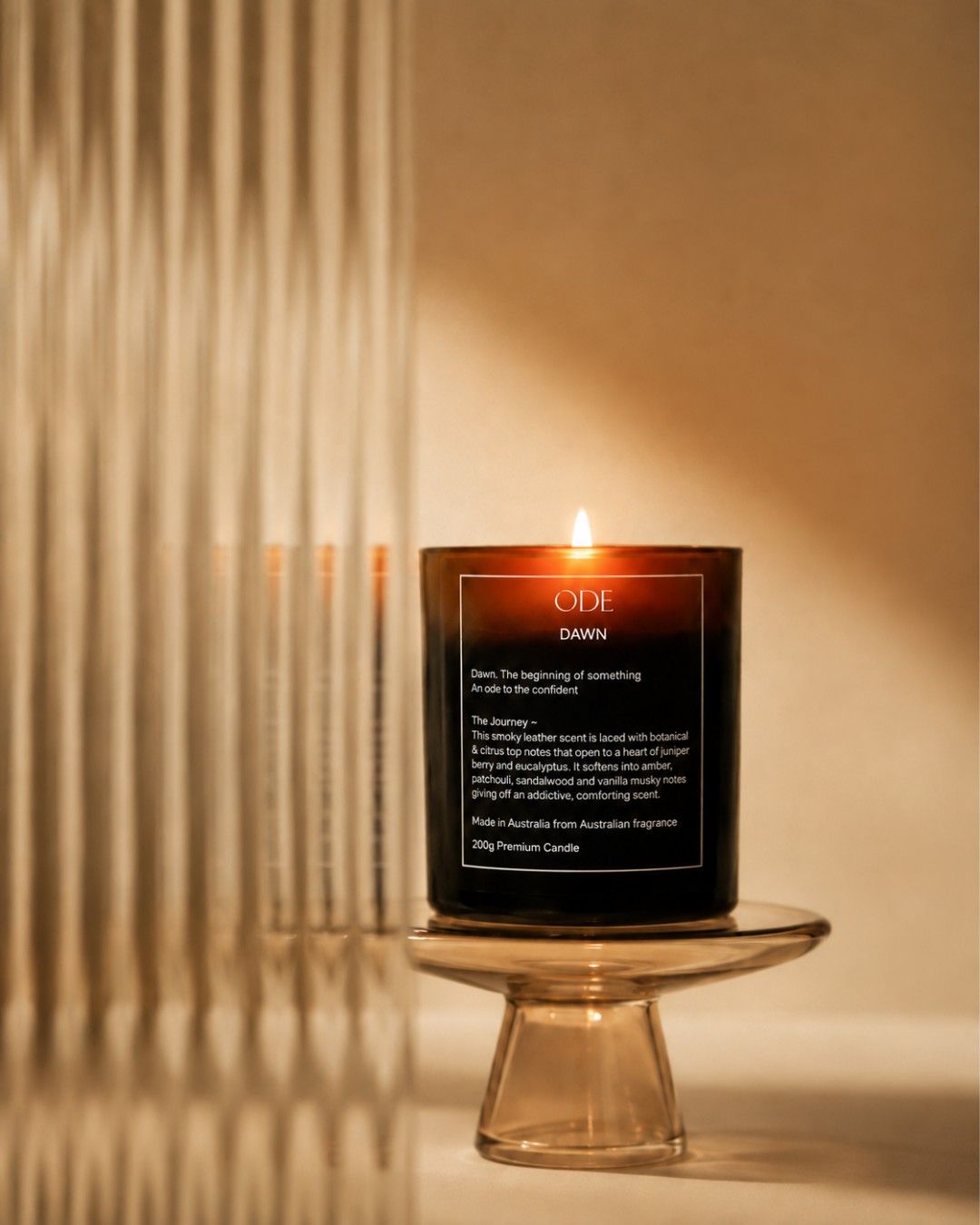
When it makes sense
Signature scent development suits brands with more than one environment to connect, brands whose interiors and service are already deliberately designed, and brands that may later want the fragrance in branded products. For a single site, the Scent Australia fragrance collection offers a fast, proven alternative.
Briefing a brand
The brief records the brand's personality and creative direction, the people the scent is for, the environments it will live in and the references that help or hinder. Describe the experience you want and the role scent plays in the brand.
What the Signature Scent Brief asks
- Business or brand name
- Industry
- Who is the scent primarily for?
- How many locations could use the scent?
- What role should fragrance play in the brand experience?
- Brand personality and creative direction
- Fragrance references you like
- Fragrance references to avoid
- Where might the scent be used?
- Target launch or implementation timing
- Would you like to explore scented branded products as part of the rollout?
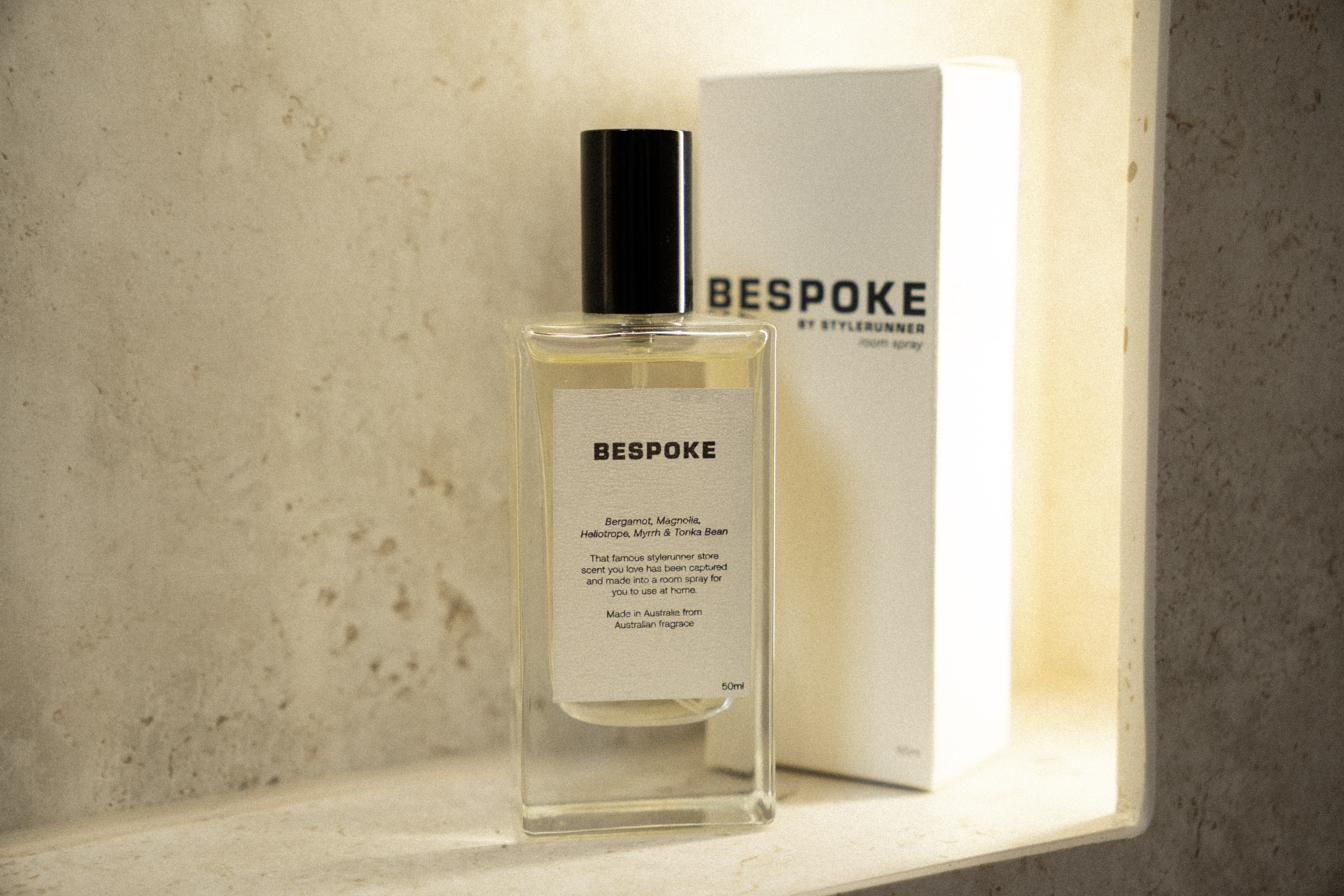
Fragrance direction
Directions are proposed against the brief and reviewed with the client. Fragrance strategy should be designed for the brand, audience and environment; research indicates that congruency between scent and surrounding cues can influence responses.
More on fragrance direction
Development and refinement
Iterations are reviewed against the brief and refined until the direction is approved. The approved reference is recorded so rollout and future extensions can be governed.
Deployment testing
A fragrance that reads well on a blotter can behave differently in air. The approved direction is tested through the diffusion systems planned for the sites so intensity, longevity and character in the space are confirmed before rollout.

Multisite rollout
The scent is delivered through standardised fragrance, approved equipment classes and site-specific settings, so it stays consistent even where buildings are not.
Ownership and exclusivity questions
Exclusivity, usage rights, formula ownership and any territory or time terms are agreed up front in the commercial agreement.
The Atelier
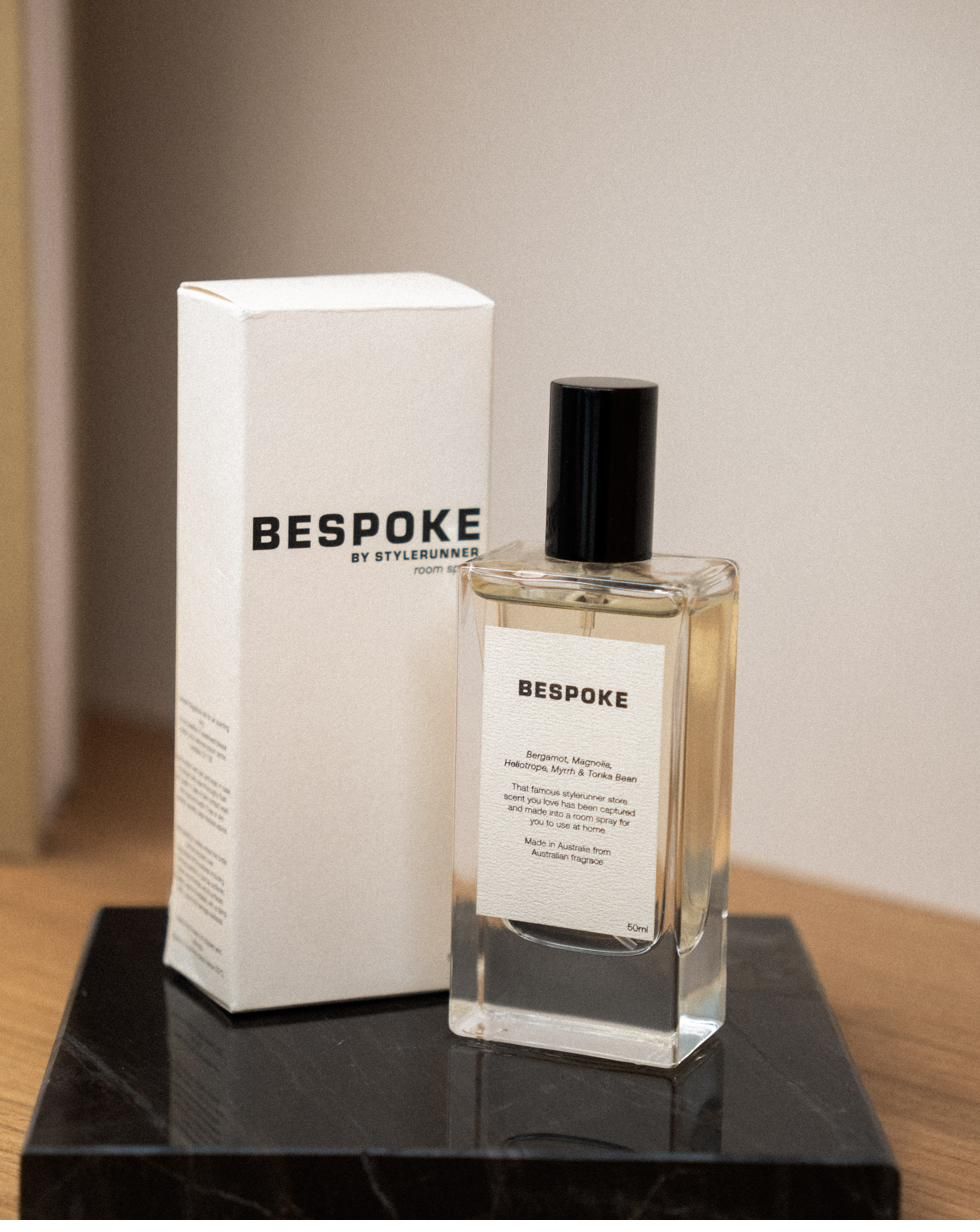
Where the brand wants the fragrance in candles, room sprays or other products, product creation and fulfilment is delivered through Muse - The Atelier after the signature project is scoped.
Muse - The Atelier
Custom and branded scented products, private production, corporate gifting
We can extend your scent into candles, room sprays and other branded products through The Atelier.
Cost and timing factors
Development timing and cost depend on the number of directions explored, refinement rounds, diffusion testing across systems and rollout scope. They are confirmed in consultation.
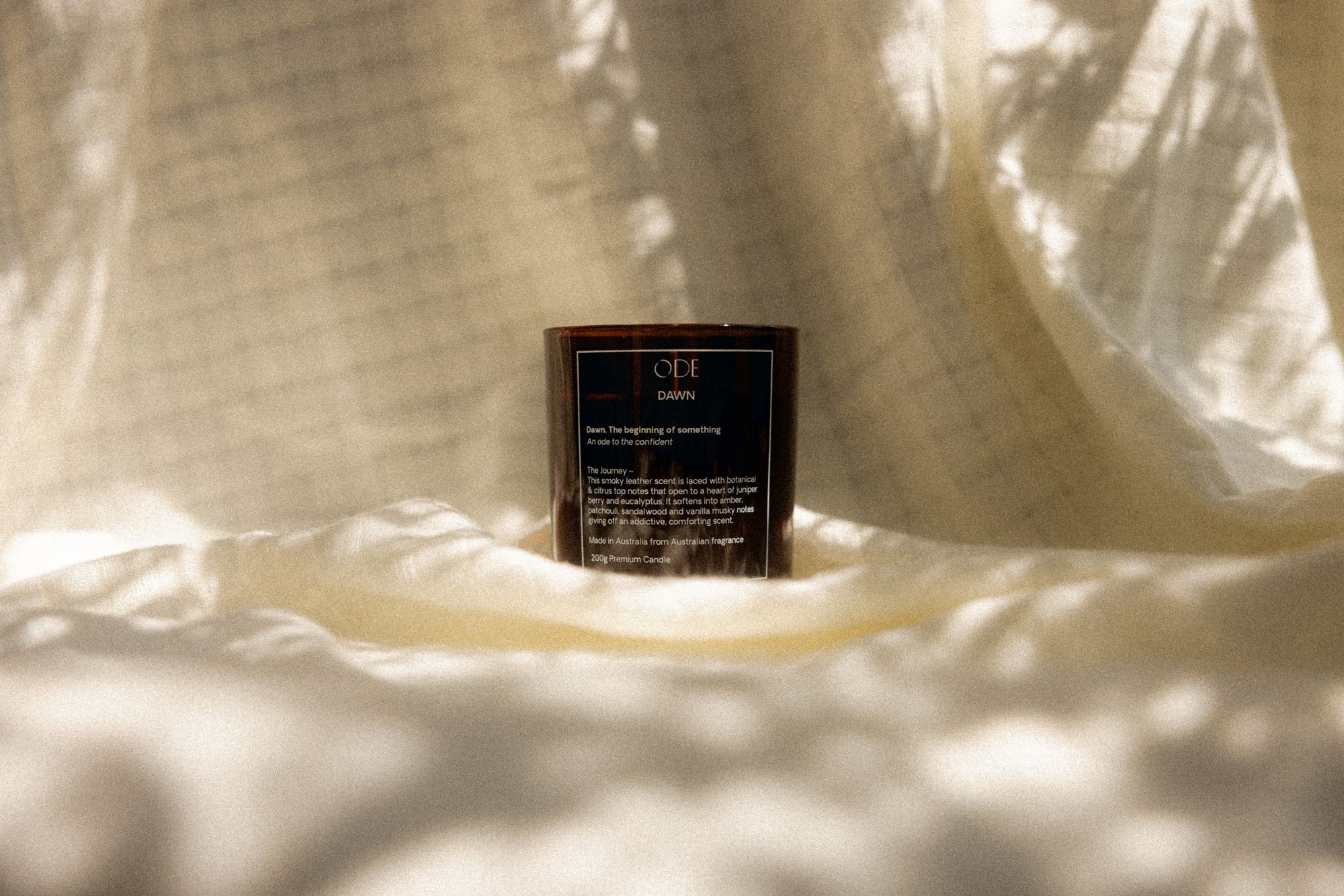
Checklist
Keep this checklist
Print this page or save it as a PDF from your browser.
More on checklist
- Why the brand needs its own scent
- Environments and zones it will live in
- Brand personality and creative direction
- Audience
- References liked and to avoid
- Rollout: ambient, HVAC, events, products
- Timing and internal approvers
- Questions on exclusivity and ownership
Questions we are often asked
How is a signature scent created?
Through a creative brief, proposed directions, evaluation and refinement with the client, diffusion testing through the intended systems and a planned rollout.
How long does it take?
It depends on the number of directions, refinement rounds and testing. Timing is confirmed in consultation.
What should a brand prepare?
A clear view of why the brand needs its own scent, the environments it will live in, brand personality, audience, references and rollout plans.
Can it extend into products?
Yes, where approved. Product creation and fulfilment is delivered through Muse - The Atelier.
Related resources



Start with the right conversation.
Build a scent plan in a few minutes, or speak to a Scent Australia specialist about your space, your brand and your timing.