




Commercial Scent Diffusers & Scenting Systems
Compare commercial scent diffusion systems by space, application and installation. Selection depends on the space, its airflow, zoning, HVAC configuration and the intensity the business wants, not on floor area alone.
Commercial diffuser selection depends on the space being scented, how air moves through it, how many zones need to be controlled, whether a compatible HVAC system serves those zones and the intensity the business wants. Floor area sets the initial scale, but ceiling height, partitions, doors, operating hours and placement options all change the final equipment class and quantity. Published coverage figures are indicative and are confirmed through site assessment.
Specifications are published values from the current specification sheets. Final selection follows site assessment.
What environment do you need to scent?


How commercial scent reaches a space
Fragrance oil is atomised without heat or water, released as a fine, dry mist and carried through the space by the unit's fan or the building's air handling.
Commercial fragrance formulated for the system.
Atomised without heat or water.
Released into the air in fine particles.
Carried by the unit's fan or the building's air handling.
Spread through the zone at the intensity set at commissioning.
HVAC or standalone
- Best fit. Larger connected areas where a compatible HVAC system can distribute scent through the intended zone.
- Zoning. Zones follow the building's air-handling layout, so scent reaches the areas each system serves.
- Installation. Technical assessment of the HVAC environment and installation access.
- Plan for. A site assessment of the air-handling design, so the system is specified to perform.
- Best fit. Localised control, simpler deployment or distinct scent zones.
- Zoning. Placed to serve defined local areas, subject to site assessment.
- Installation. Varies by unit and site; some deployments are less infrastructure-dependent.
- Plan for. Placement that accounts for layout, airflow and obstructions, so every zone is evenly scented.
The right choice depends on your building and the spaces you want to scent. Many sites combine both, with HVAC for large connected areas and standalone diffusers where scent needs to be placed precisely. Read the diffuser and HVAC guide
Compare commercial systems
Published values from the current specification sheets. Coverage is indicative and depends on airflow, layout, fragrance and intensity.
| System | Class | Delivery | Published coverage | Mounting | Control |
|---|---|---|---|---|---|
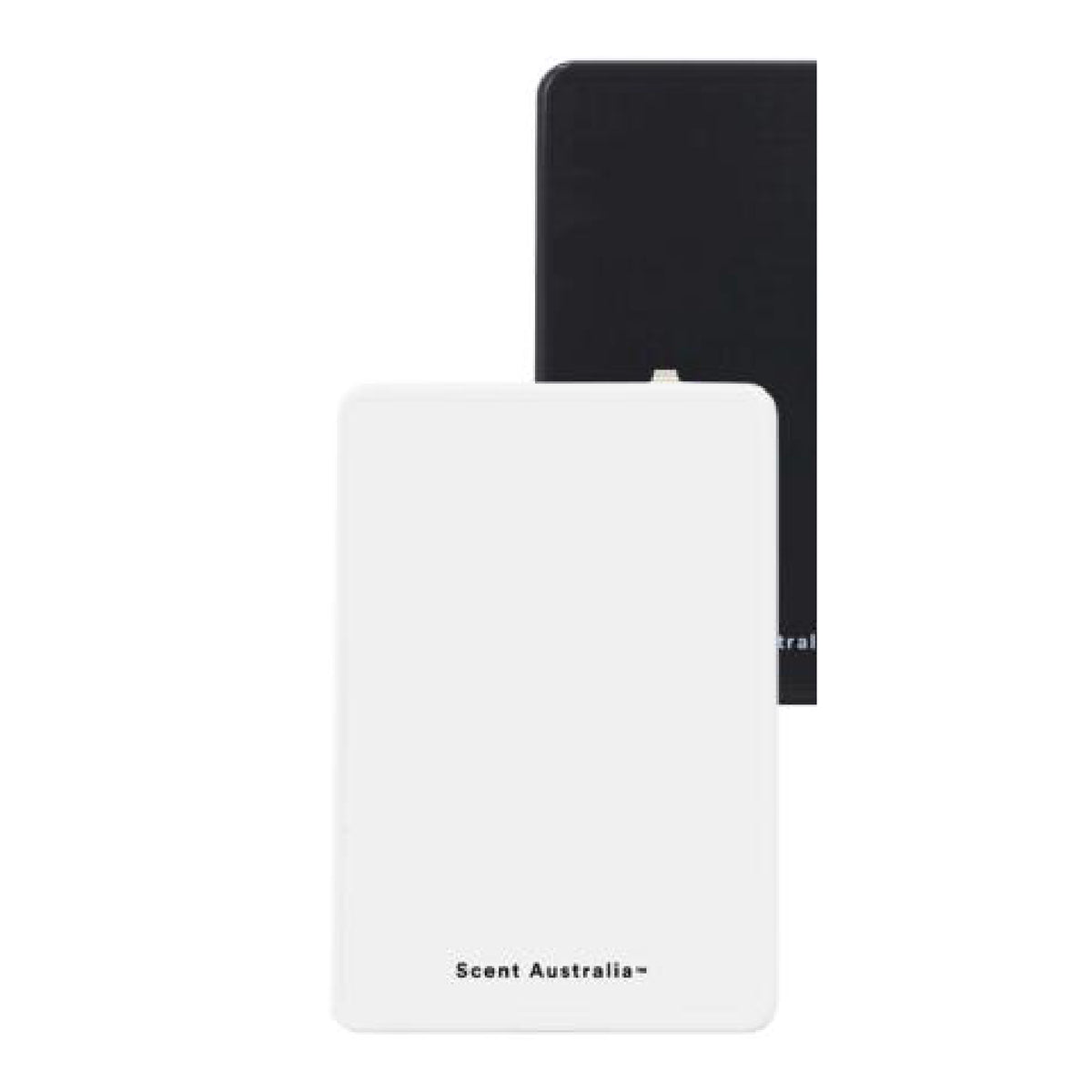
| ScentPro | Medium diffuser | Standalone or HVAC-connected | Up to 400 m² | Wall mount, free standing or connect into HVAC ducting | Bluetooth Scent App: adjust operating hours and intensity level via smartphone |
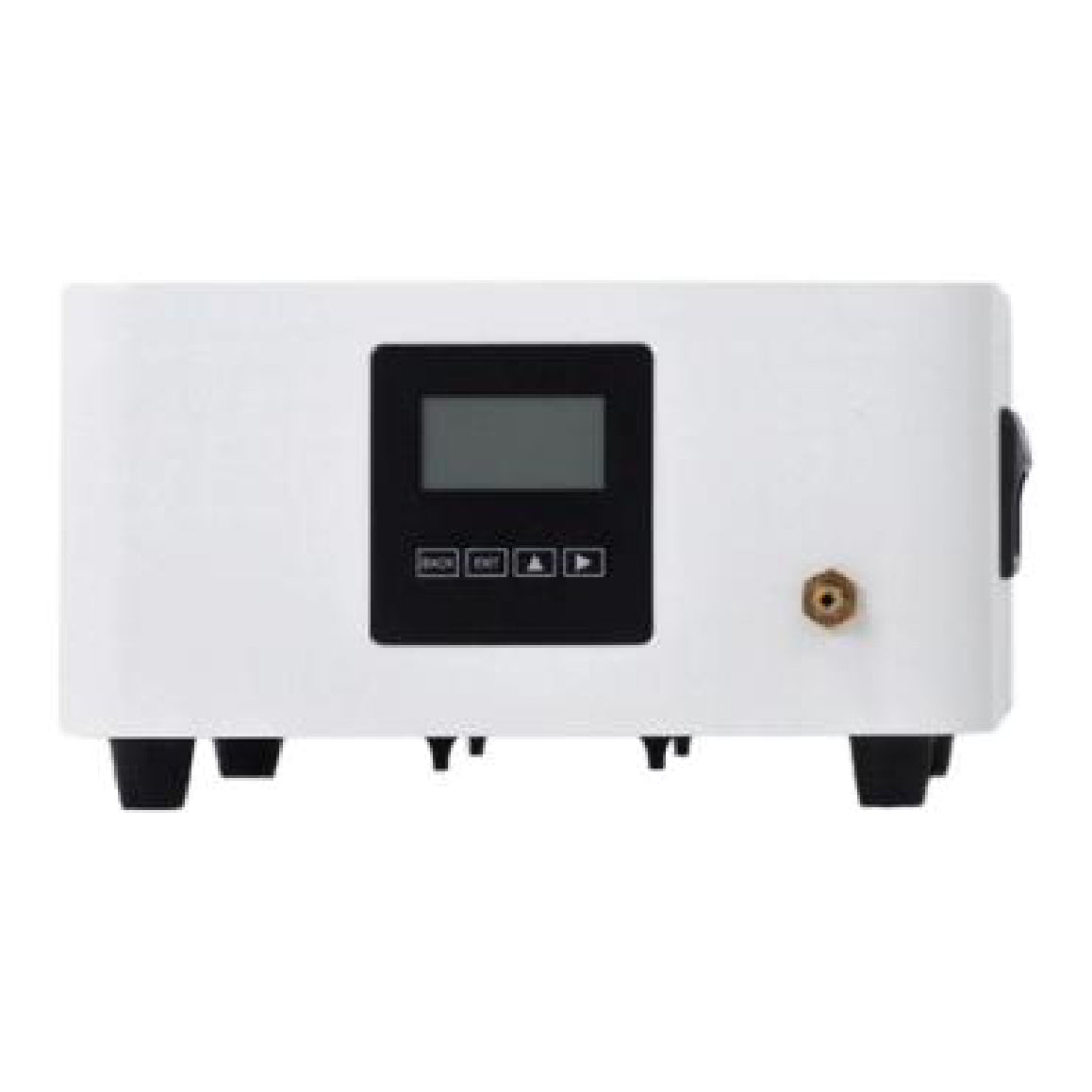
| ScentLux | HVAC diffuser | HVAC-integrated | Up to 1,800 m² | Requires shelf support 60 cm x 40 cm, with 60 cm clearance beneath duct work | Electronic timing for hours per day; exact scent intensity |
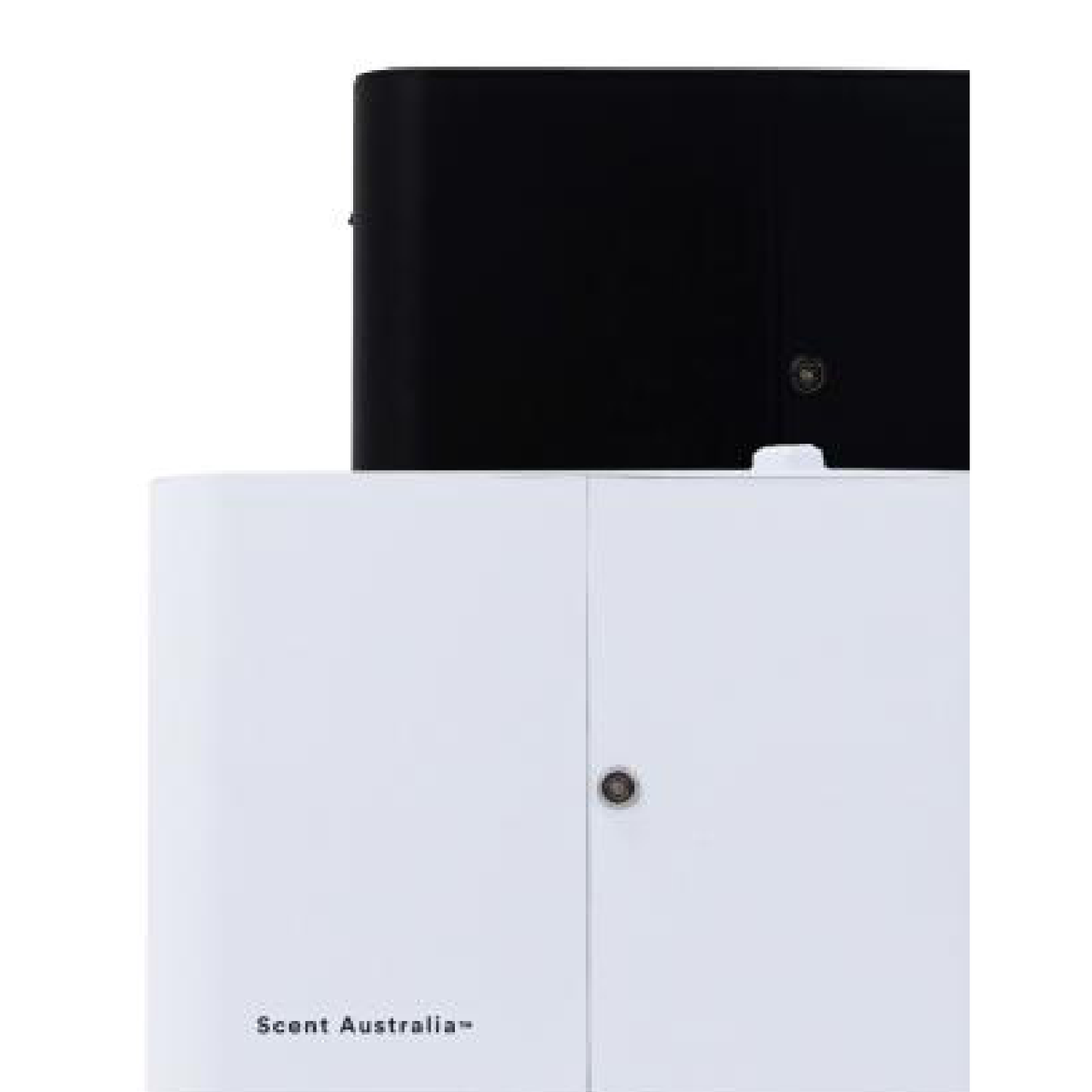
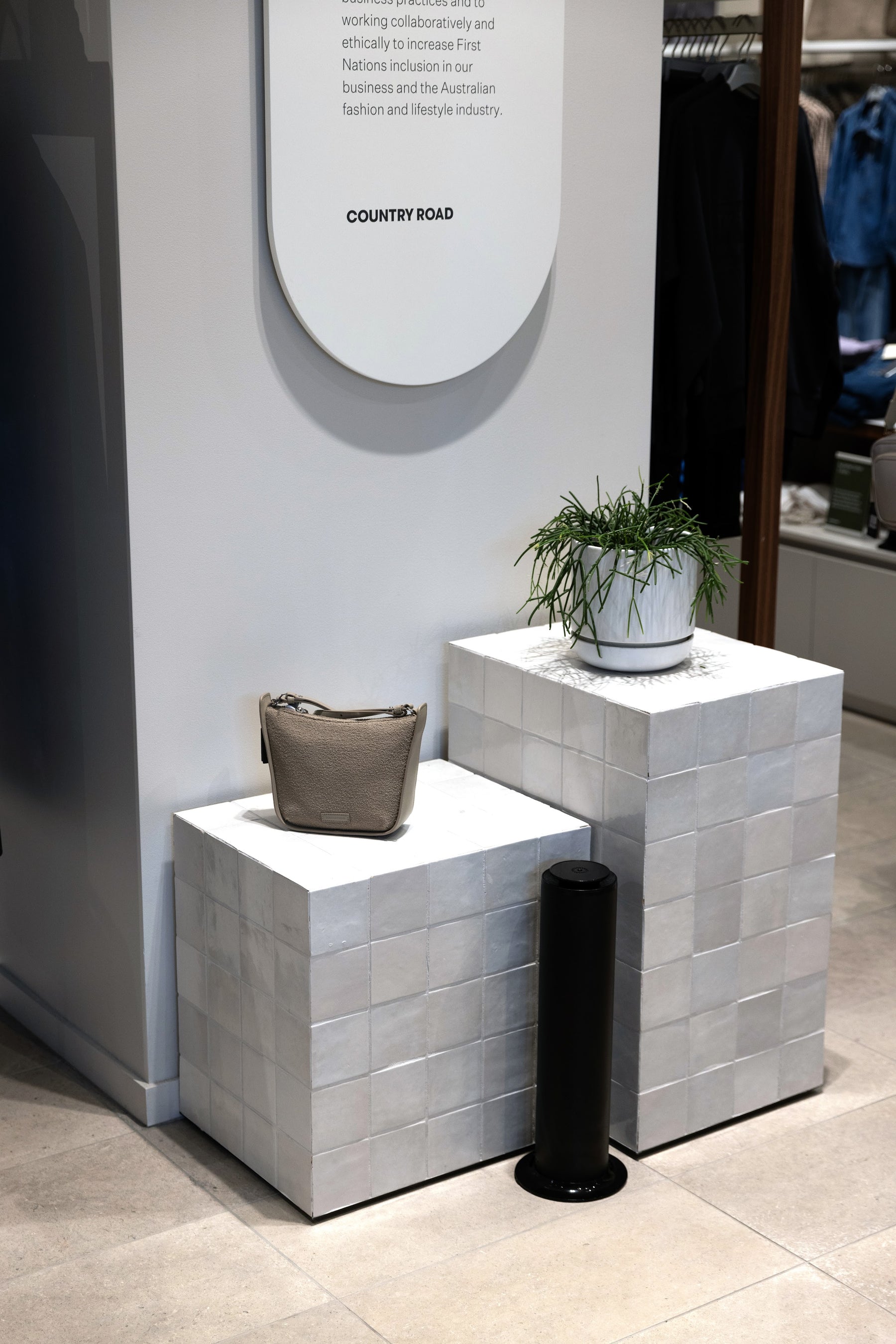
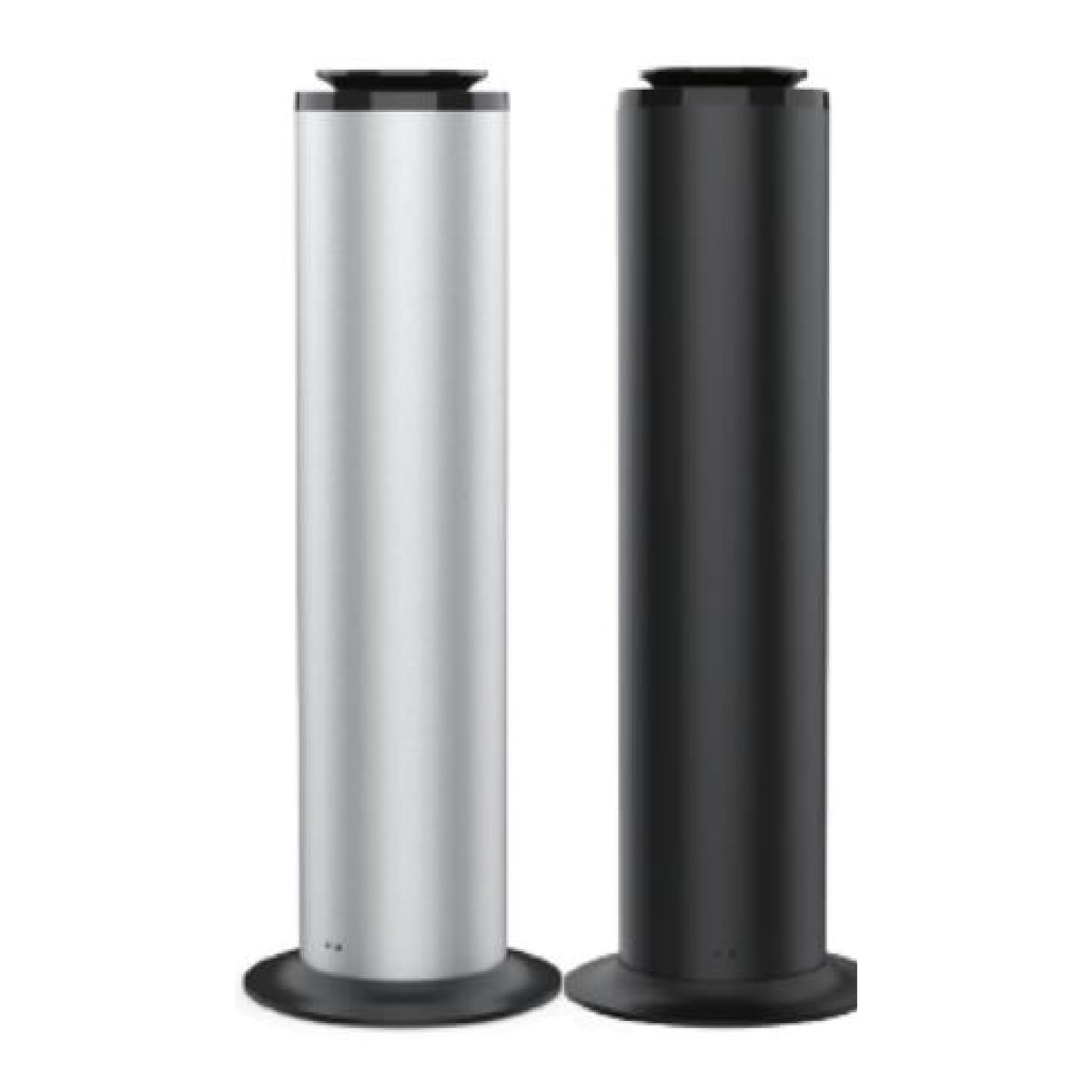
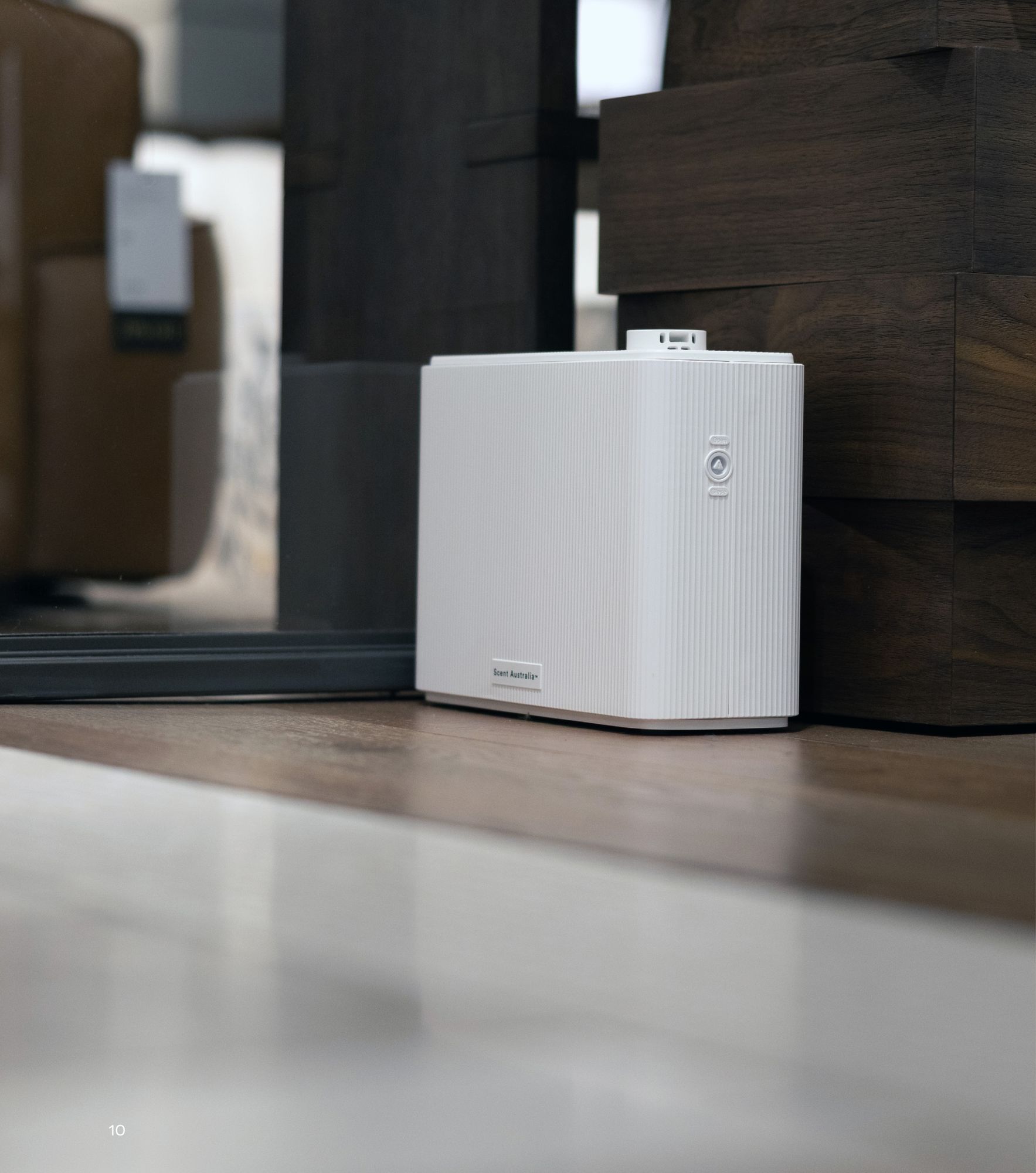
| ScentTower | Standalone diffuser | Standalone | Up to 300 m² | Free standing (not wall mountable) | Bluetooth Scent App: adjust operating hours and intensity level via smartphone |
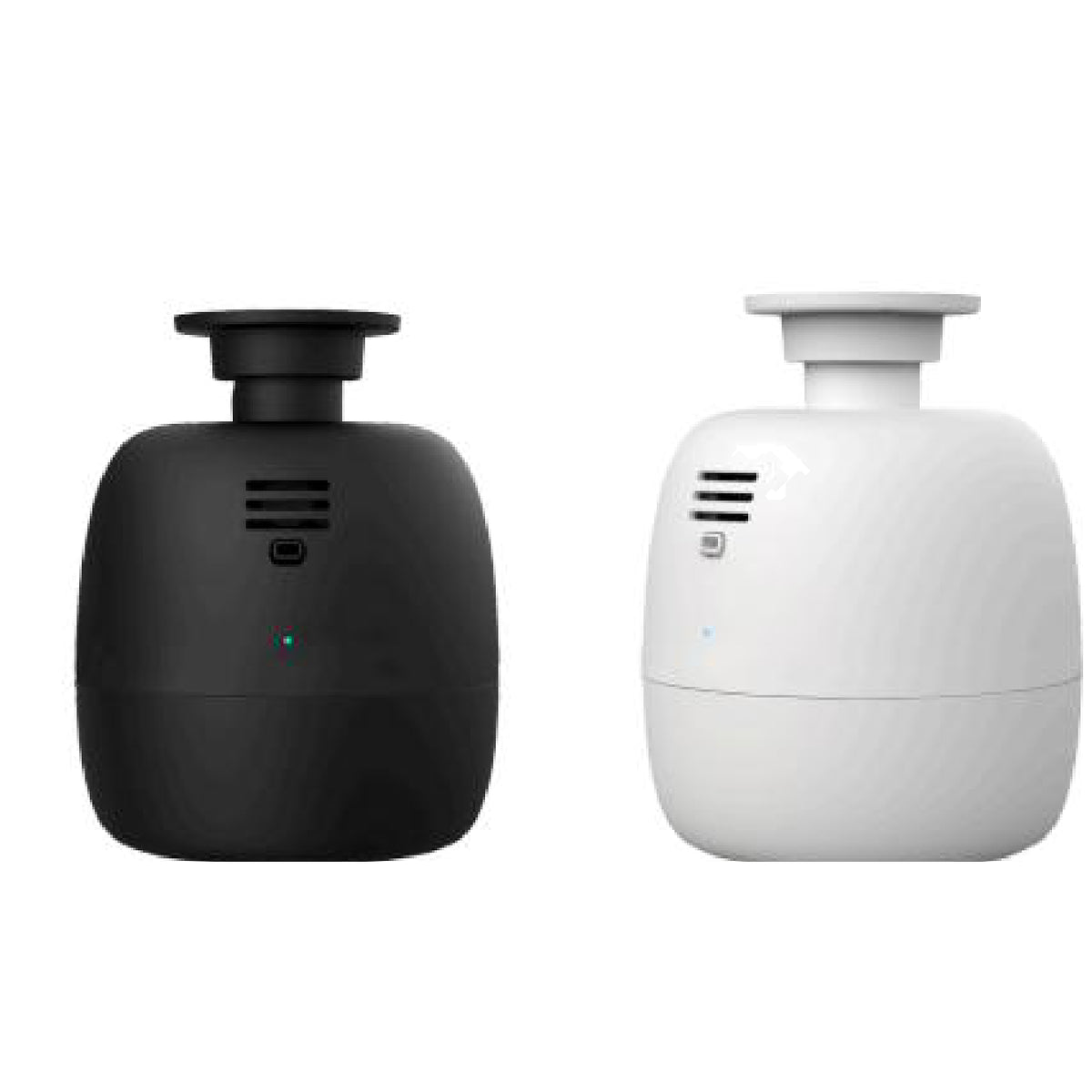
| ScentPod | Light rail / ceiling diffuser | Standalone (ceiling, wall or lighting rail) | Up to 300 m² | Ceiling, wall or lighting rail | Bluetooth Scent App: adjust operating hours and intensity level via smartphone |
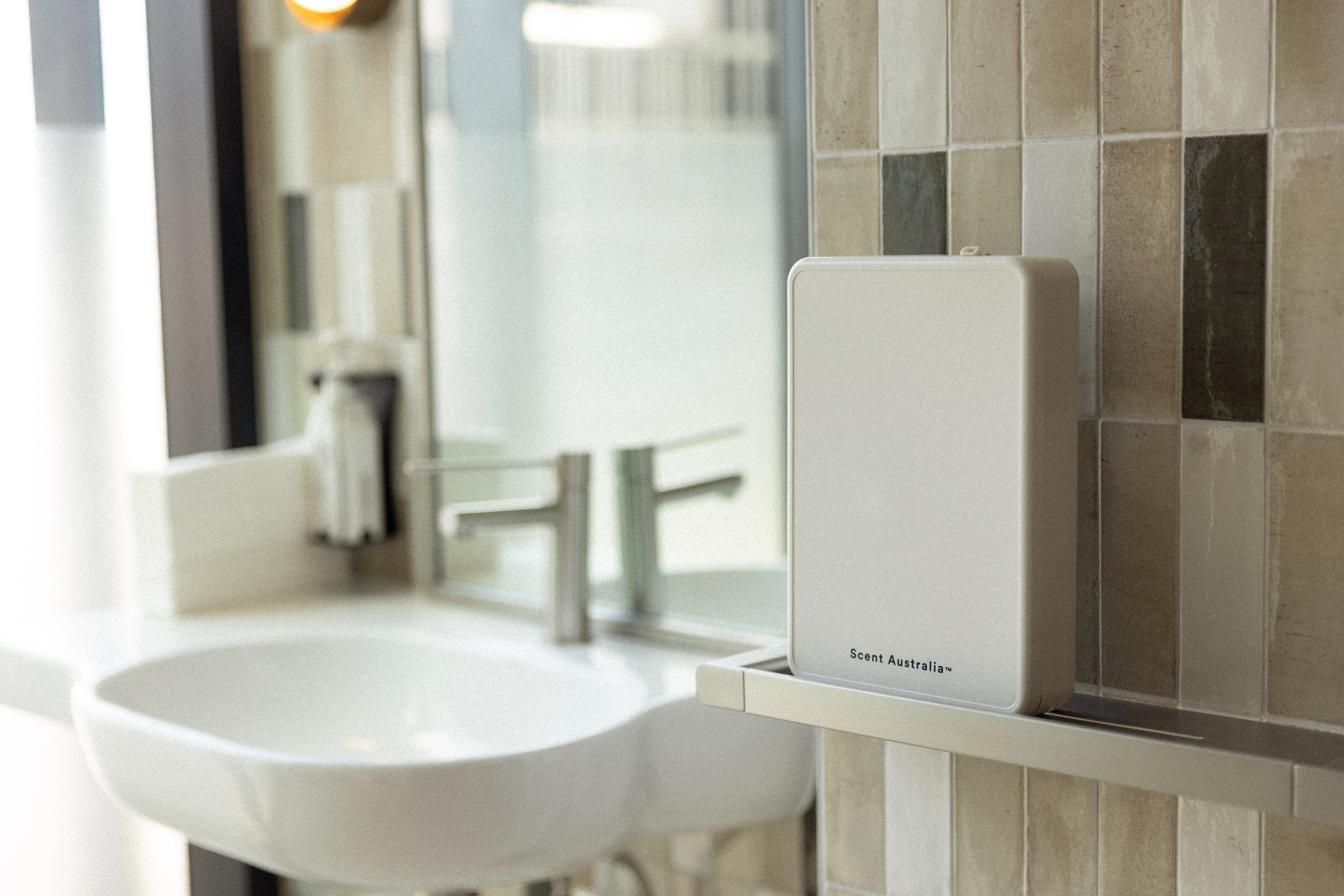
| ScentLite | Bathroom diffuser | Standalone (wall mount, battery or mains) | Up to 50 m² | Wall mount | Bluetooth Scent App: adjust operating hours and intensity level via smartphone |
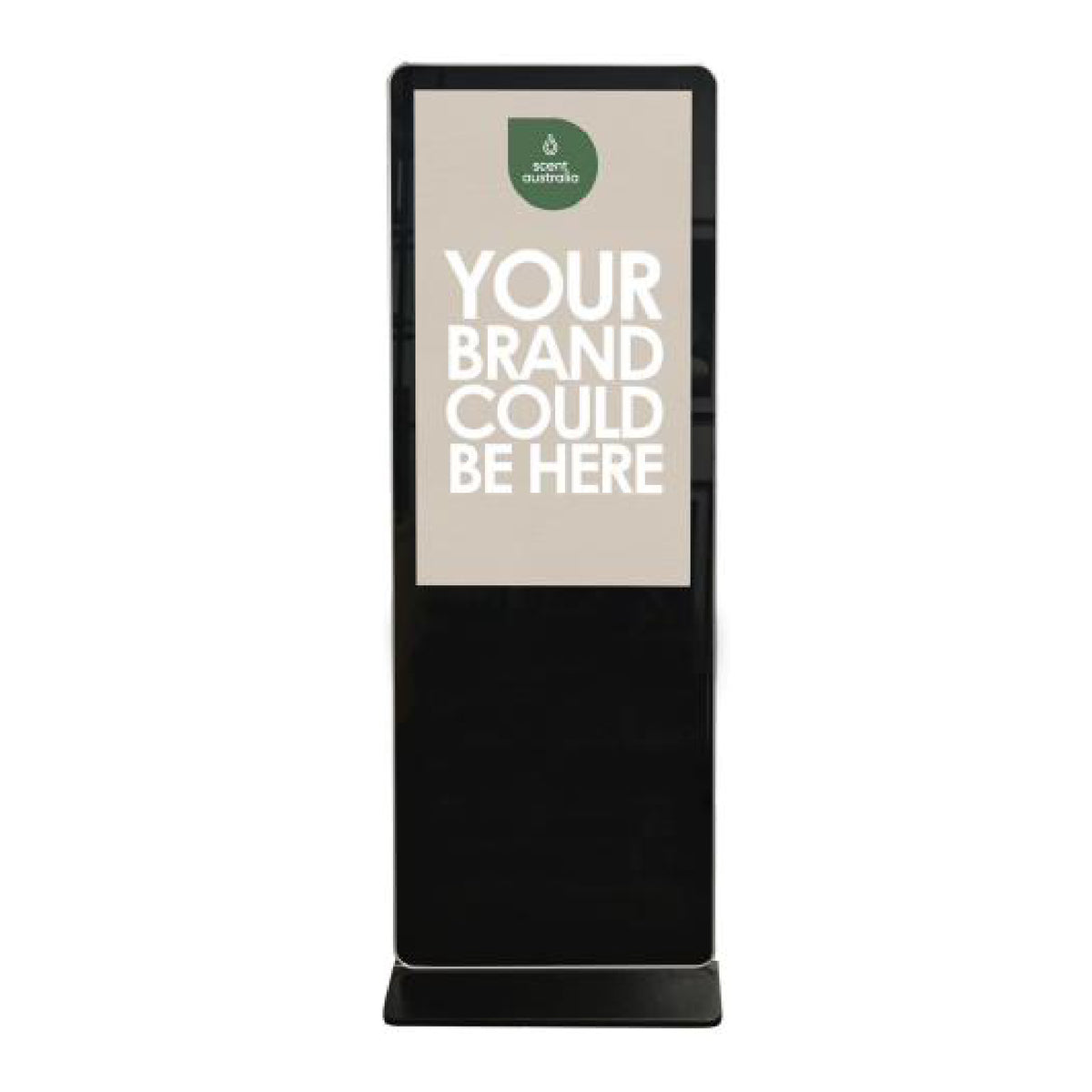
| ScentCast | HD advertising diffuser | Standalone (free standing screen unit) | Up to 400 m² | Free standing | Bluetooth Scent App: screen and diffuser controls; live Bluetooth updates |
Coverage factors
Floor area establishes scale. Ceiling height changes air volume. Partitions, corridors and doorways create zones. Supply air, extraction and open doors change distribution. Operating hours and the intensity the business wants set the programme. The Coverage Calculator narrows the indicative equipment class; a site assessment confirms quantity and placement.
Planning tool
Coverage Calculator
See an indicative equipment class for your space and the factors that change coverage.
About 1 minute. You receive: the likely equipment class, the variables to confirm and a clear next step.

Controls and scheduling
Systems in the current range are controlled through the Bluetooth Scent App, which sets operating hours and intensity level from a smartphone. HVAC units use electronic timing for hours per day and exact scent intensity. Schedules are set to trading hours and adjusted after commissioning.

Installation
Standalone units are wall mounted, free standing or rail mounted and commissioned in the space. HVAC units require shelf support and clearance beneath ductwork with access to supply air, installed in coordination with facilities or mechanical contractors.
Fragrance compatibility
The range uses cold-air diffusion (micro nebulisation and micron diffuser technology) with fragrance oils supplied by Scent Australia. Optional anti-smoke and anti-odour blends are available across the range.
Service and maintenance
Refills or cartridge changes, device checks and setting management follow the site's operating rhythm. Responsibilities are set in the service plan.

Multisite deployment
Networks standardise approved equipment classes and let output settings and placement vary by site. The site register records each zone's equipment, settings and service status.
Find my diffuser
Planning tool
Commercial Diffuser Selector
Narrow the likely system families for a space and move into a technical assessment.
About 2 minutes. You receive: ranked system families with reasons, plus a clear next step.
Questions we are often asked
How much area can a commercial diffuser cover?
Published coverage figures describe each system under stated conditions and are indicative. Ceiling height, airflow, layout, fragrance and intensity change the final specification, which is confirmed through site assessment.
Do I need HVAC scenting or a standalone diffuser?
Neither is automatically better. HVAC suits large connected areas served by a compatible air-handling system. Standalone units suit defined zones, retrofits and leased or mechanically constrained spaces. Many sites use both.
How many diffusers do I need?
Floor area is only the starting point. The Coverage Calculator narrows the likely equipment class, the Diffuser Selector ranks system families, and a site assessment confirms quantity and placement.
Are these home diffusers?
No. These are commercial systems for business environments. Home and consumer fragrance belongs to Muse.
Related resources


Start with the right conversation.
Build a scent plan in a few minutes, or speak to a Scent Australia specialist about your space, your brand and your timing.