


Restaurant & Hospitality Scenting
Use fragrance selectively in hospitality environments where it adds to arrival, lounge or amenity experience without interfering with food and beverage. Restaurant scenting requires restraint: some zones can support ambient fragrance, while others should remain governed by the natural aromas of the venue.
Hospitality scenting is most appropriate in selected non-food or transitional zones such as entrances, reception, lounges, bathrooms or other areas where added fragrance does not conflict with the intended dining experience. Suitability should be assessed zone by zone.
The benefits
Why scent works in hospitality
- 01
An atmosphere that matches the venue
Fragrance in arrival, bar and amenity areas supports the mood the venue is built around.
- 02
Dining rooms that stay food first
Scent is kept away from tables and the pass, so it never competes with the menu.
- 03
Fresher amenities
Bathrooms and back-of-house transitions stay pleasant through a busy service.
- 04
A consistent group experience
Multi-venue groups can carry one standard, or a distinct fragrance for each concept.
Start outside the dining experience
Entrances, reception zones and some lounge environments may support a branded or ambient fragrance programme. The purpose should be clear and the intensity deliberately controlled.
Where scent works best in hospitality
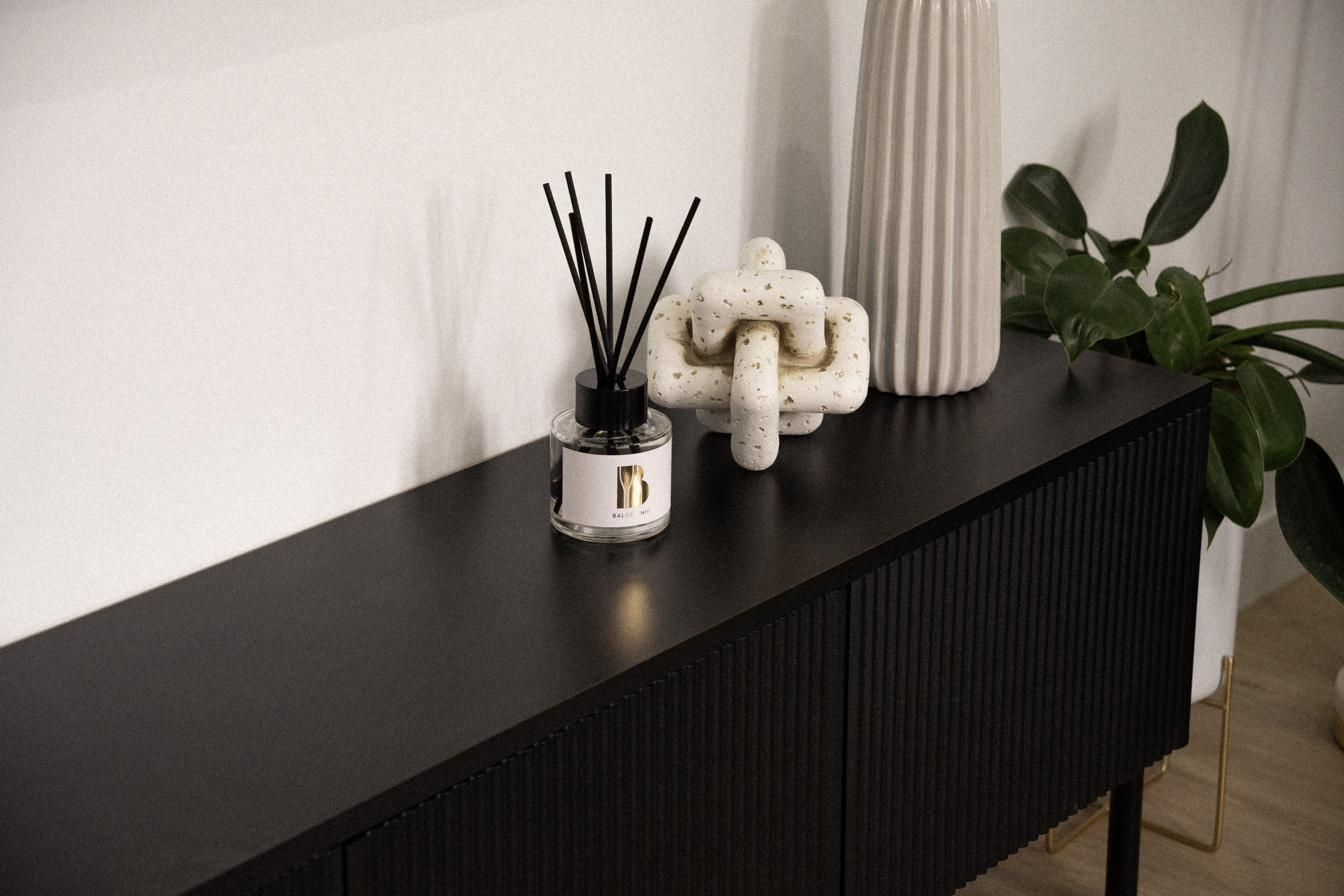
 Entrance and receptionSuitability: Suitable where the site permitsReason: Fragrance does not conflict with nearby food
 Lounges and non-food zonesSuitability: Often suitableReason: Purpose and intensity deliberately controlled
 Dining roomsSuitability: Not by defaultReason: Added fragrance can interfere with food and beverage aroma
 KitchensSuitability: Not suitableReason: Aroma is integral to food and beverage
 Bathrooms and amenitiesSuitability: Odour management firstReason: Source, ventilation and neutralisation before any ambient layer
Protect food-led spaces
Kitchens and dining zones are left to the aromas of the menu, so the scent plan focuses on arrival, lounges and amenities where it adds the most.


Separate bathroom odour control from ambient scent
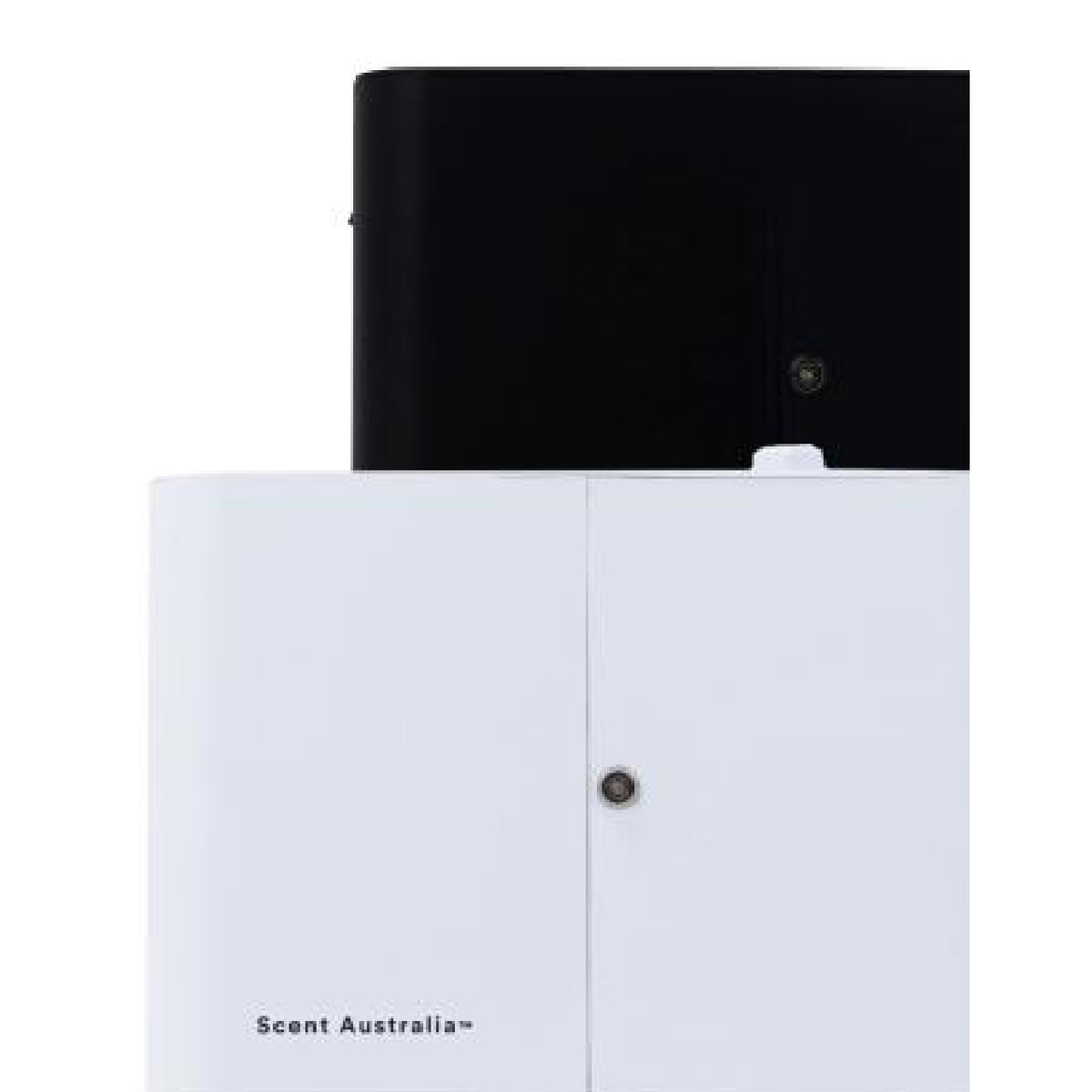
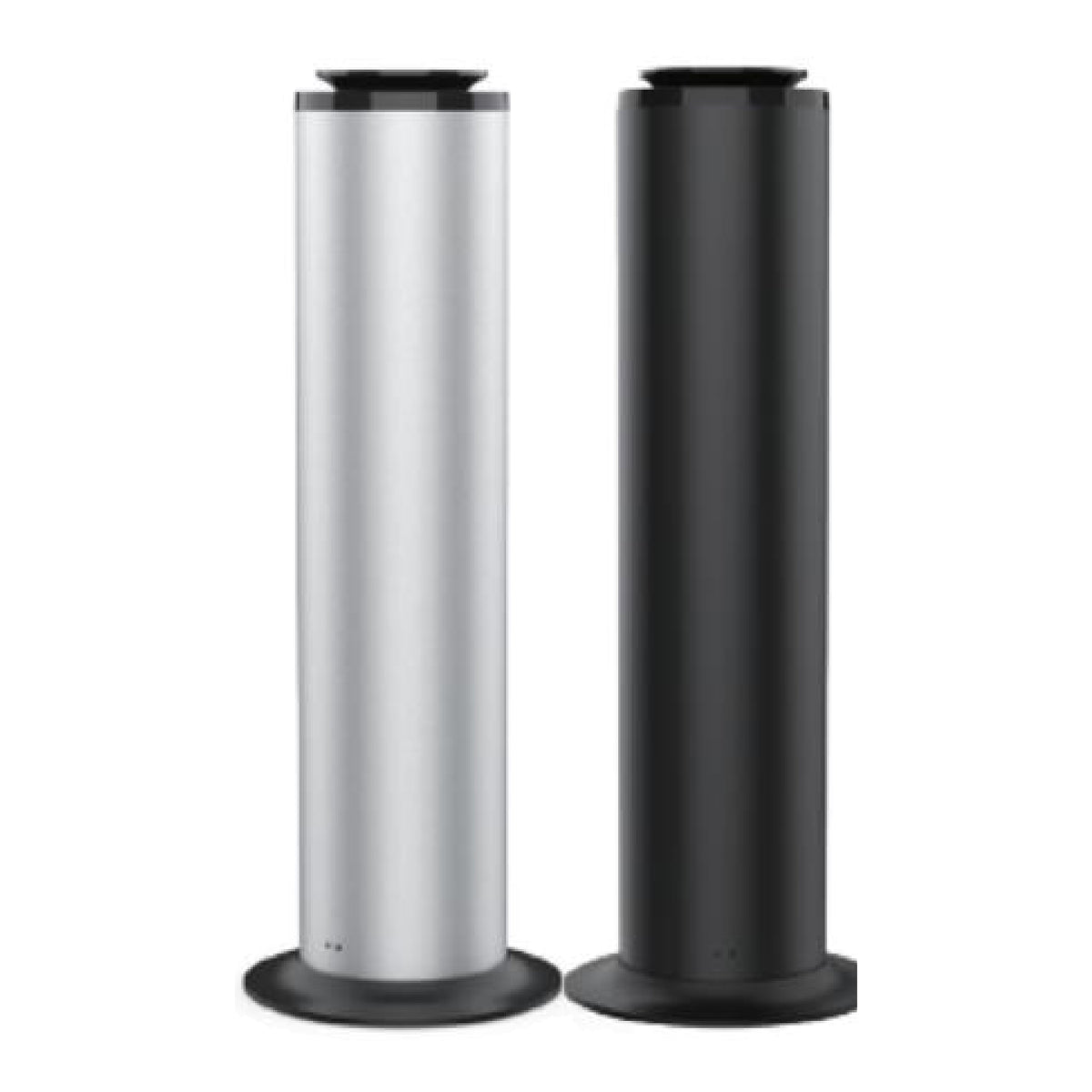
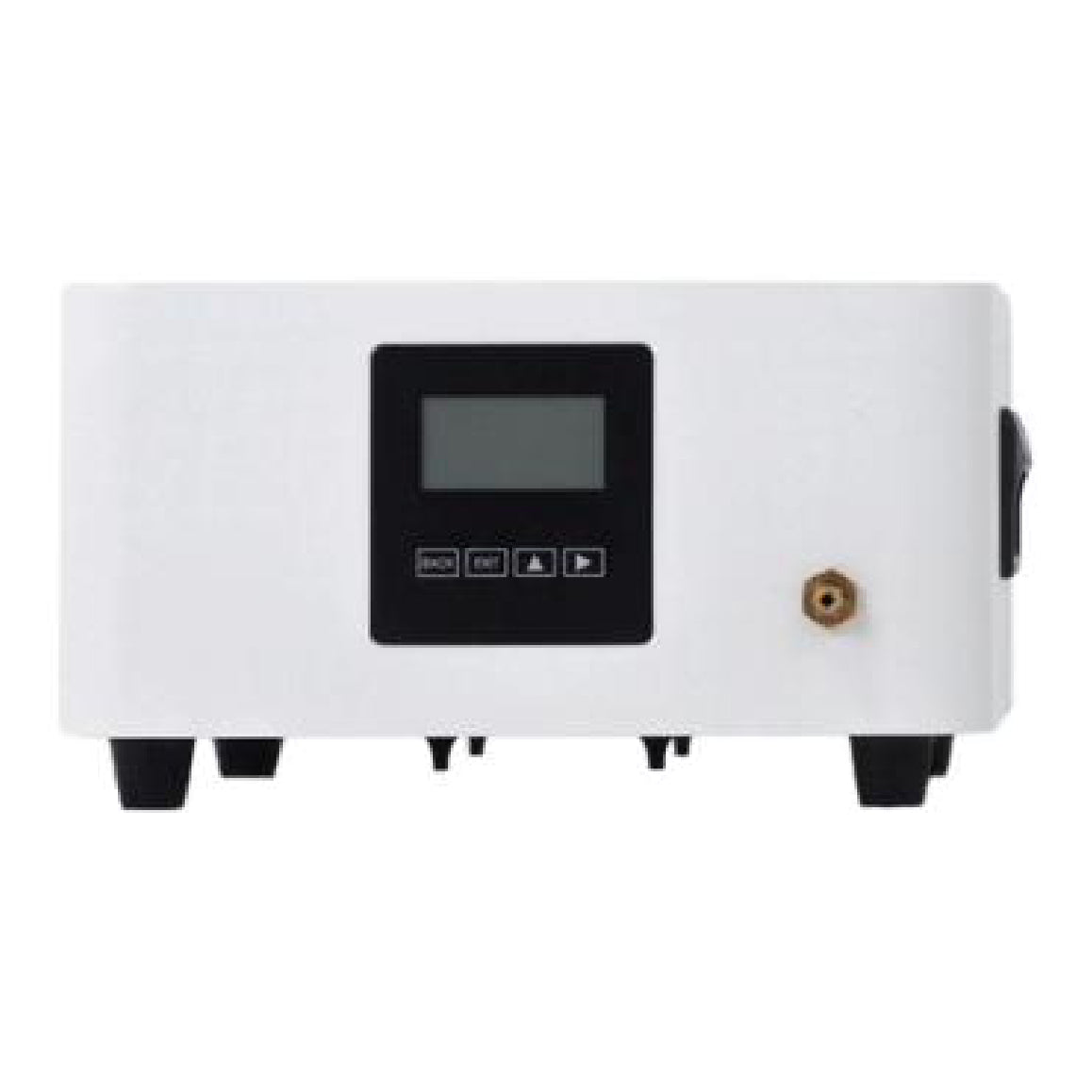
Amenities benefit from targeted odour neutralisation alongside ventilation, with a fresh ambient fragrance layered on top.

Connect hotel or group requirements to multisite planning
Hospitality groups with multiple venues can standardise fragrance and service processes while retaining zone-level discretion for different venue formats.
Servicing and zone planning
Service visits are planned around trading hours and kitchen operations.
Evidence
Hospitality programmes for well-known Australian venues.
Decision factors
Questions we are often asked
Should restaurants scent the dining room?
Dining areas are usually left to the aromas of the food. Scent works best at the entrance, in lounges and in amenities, and each zone is assessed individually.
Can scenting be used at the entrance?
Yes, where the site permits it and the fragrance does not conflict with nearby food or neighbouring spaces.
Is bathroom fragrance the same as odour control?
Odour control removes the cause of unwanted smells through source control, ventilation and neutralisation, and ambient fragrance then adds a chosen scent. The best amenities use both.
Related resources


Find your scent
What should your venue smell like?
Answer a few quick questions about your space and receive a Scent Profile made for your business. Our team will then curate samples for you to try.

Start with the right conversation.
Build a scent plan in a few minutes, or speak to a Scent Australia specialist about your space, your brand and your timing.