


Hotel Scent Marketing & Commercial Scenting
Create a hotel scenting programme that works with the building, the brand and the guest journey. Scent Australia helps hotel teams plan fragrance, diffuser technology, HVAC integration, servicing and multi-property consistency across the guest-facing spaces where scent is appropriate.

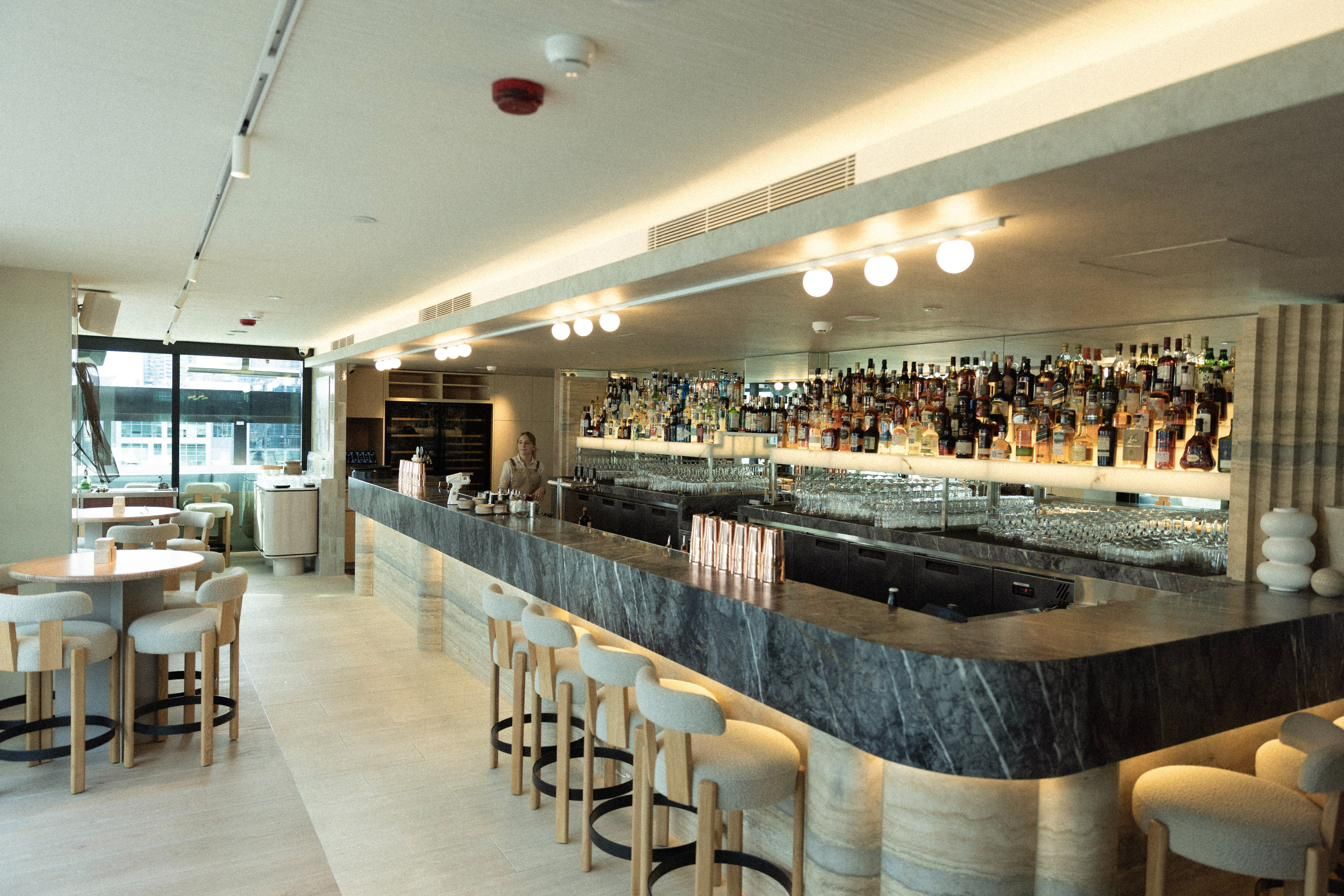
Hotel scenting is a site-specific commercial system. The right approach depends on the zones being scented, airflow, ceiling height, operating hours, fragrance objectives and how the hotel wants the experience maintained over time. Lobby scenting may use standalone or HVAC-connected equipment, with each zone specified for the experience it needs to deliver.
The benefits
Why scent works in hotels
- 01
A memorable arrival
Lobby fragrance sets the tone of the stay from the first step inside.
- 02
A recognisable brand signature
A signature scent links lobby, rooms, spa and retail into one experience.
- 03
Comfort in every zone
Intensity is set area by area, so lobbies, bars, corridors and rooms each feel right.
- 04
The stay, remembered at home
The Atelier products let guests take the hotel’s fragrance home.

Start with the guest journey, not the diffuser
A hotel scent programme should begin with the places where the brand is first experienced: arrival, lobby, reception, corridors, lounge areas and selected amenities. The goal is to own the moments that define a stay, with a scent that creates a deliberate, memorable atmosphere and works in harmony with food, housekeeping and other sensory cues.
Hotel zones and typical scenting approach
 Arrival and lobbyTypical role of scent: First brand impression and the most consistent zoneApproach to assess: Standalone or HVAC-connected, subject to airflow and ceiling height
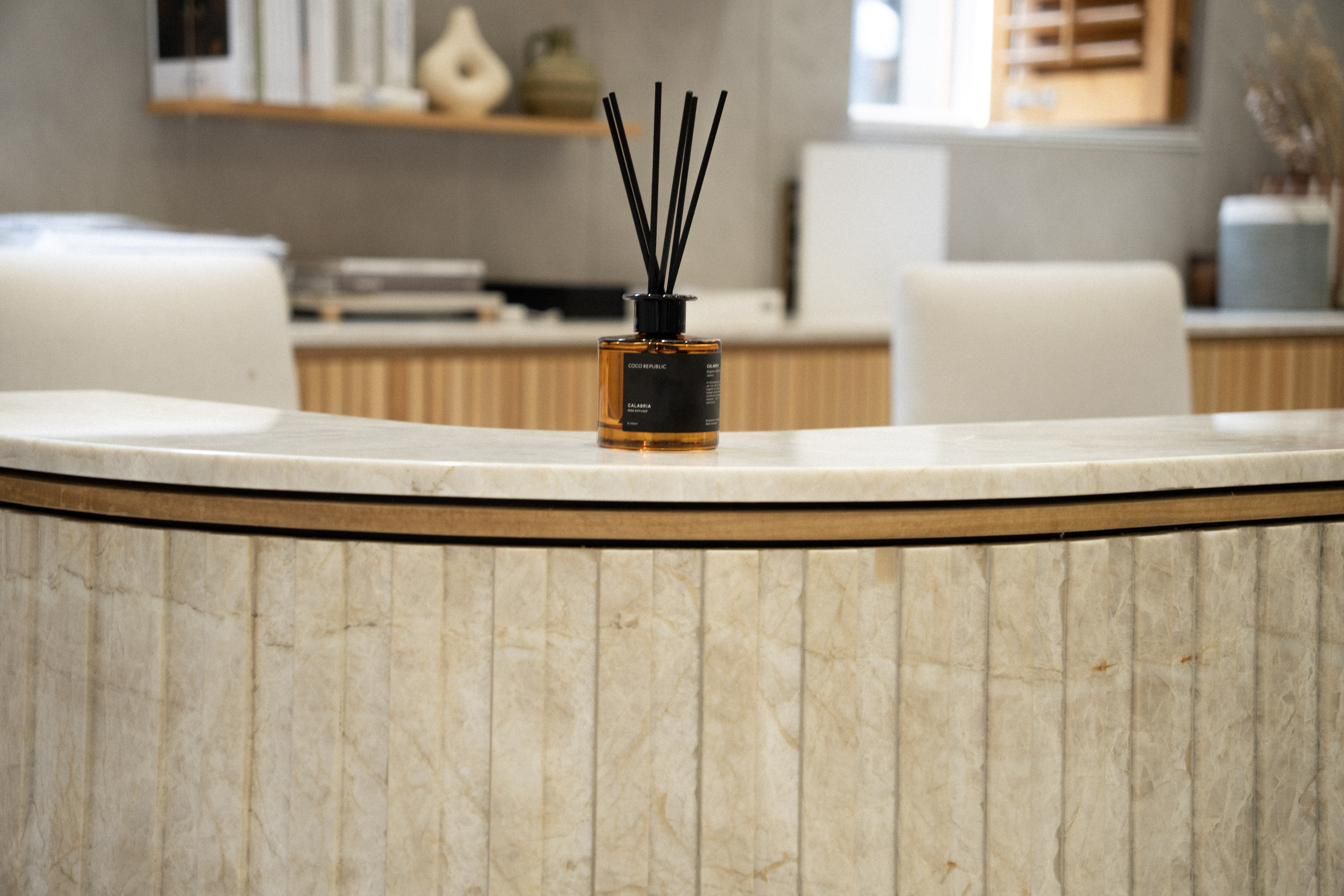 Reception and loungeTypical role of scent: Supports a deliberate atmosphere while guests wait or gatherApproach to assess: Standalone units placed for the zone; intensity set in-space
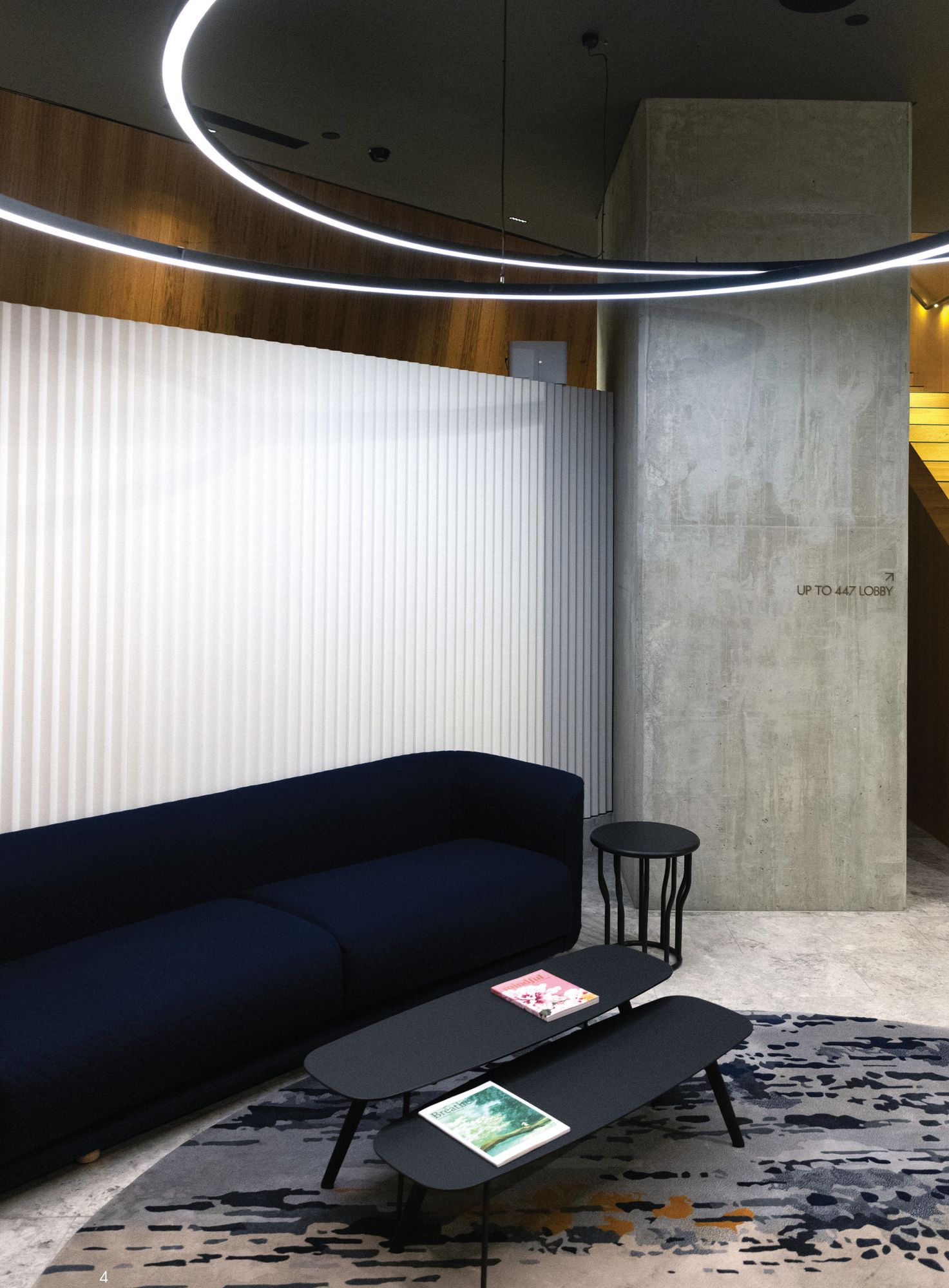 Corridors and liftsTypical role of scent: Continuity between public areas and roomsApproach to assess: Zone-by-zone assessment; often lower intensity
 Selected amenitiesTypical role of scent: Sense of care in bathrooms and amenity spacesApproach to assess: Compact units; odour management assessed separately
 Restaurants and food areasTypical role of scent: Usually left to the food and beverage experienceApproach to assess: Assessed separately to protect the food and beverage experience
Choose technology around the building
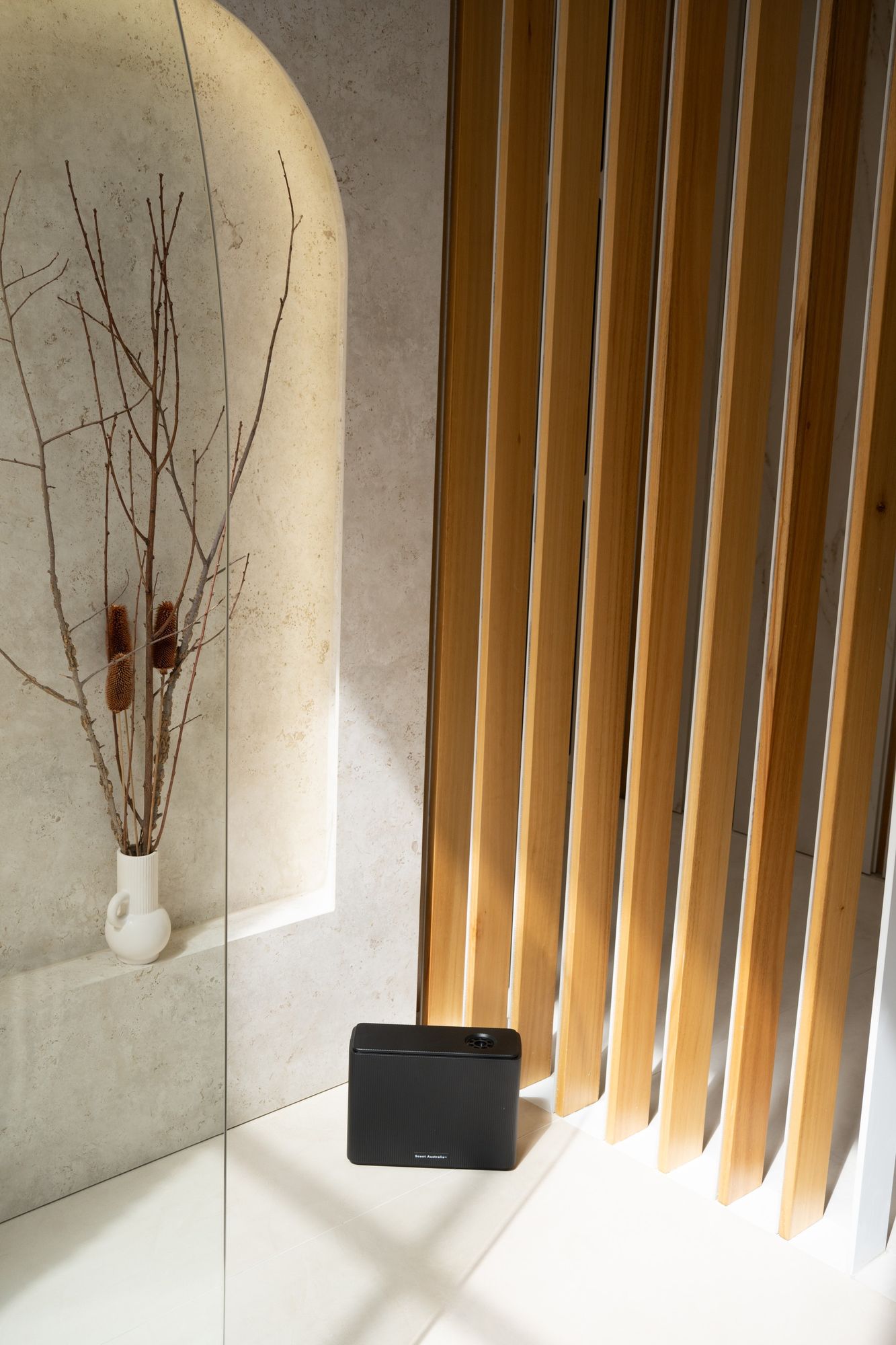
Standalone commercial diffusers can suit defined zones and retrofits. HVAC scenting can be considered for larger connected areas when the mechanical system, airflow and zoning support it. A site assessment is the right place to confirm whether HVAC, standalone equipment or a mixed approach is appropriate.
- Best fit. Larger connected areas where a compatible HVAC system can distribute scent through the intended zone.
- Zoning. Zones follow the building's air-handling layout, so scent reaches the areas each system serves.
- Installation. Technical assessment of the HVAC environment and installation access.
- Plan for. A site assessment of the air-handling design, so the system is specified to perform.
- Best fit. Localised control, simpler deployment or distinct scent zones.
- Zoning. Placed to serve defined local areas, subject to site assessment.
- Installation. Varies by unit and site; some deployments are less infrastructure-dependent.
- Plan for. Placement that accounts for layout, airflow and obstructions, so every zone is evenly scented.
The right choice depends on your building and the spaces you want to scent. Many sites combine both, with HVAC for large connected areas and standalone diffusers where scent needs to be placed precisely. Read the diffuser and HVAC guide

Develop a signature scent when brand consistency matters
For hotels that want a distinctive olfactory identity, a signature scent can connect the physical environment to the brand. The creative brief should consider the property concept, location, target guest, interior palette and the emotional character the hotel wants to convey. Rollout planning should be separated from fragrance creation so the scent can be delivered consistently.
More on develop a signature scent when brand consistency matters

Plan for groups and multisite portfolios
Hotel groups need more than a fragrance choice. They need a repeatable installation and servicing model, clear site data, approved device configurations and a way to manage exceptions between properties. Scent Australia can structure a rollout plan so new sites can be assessed against a common standard.
Servicing
Refill, device and setting management follow the property's operating rhythm: housekeeping schedules, back-of-house access and the hours in which adjustments can be made without disturbing guests. The service plan records who can change settings and how exceptions are reported.
Extend the experience beyond the property
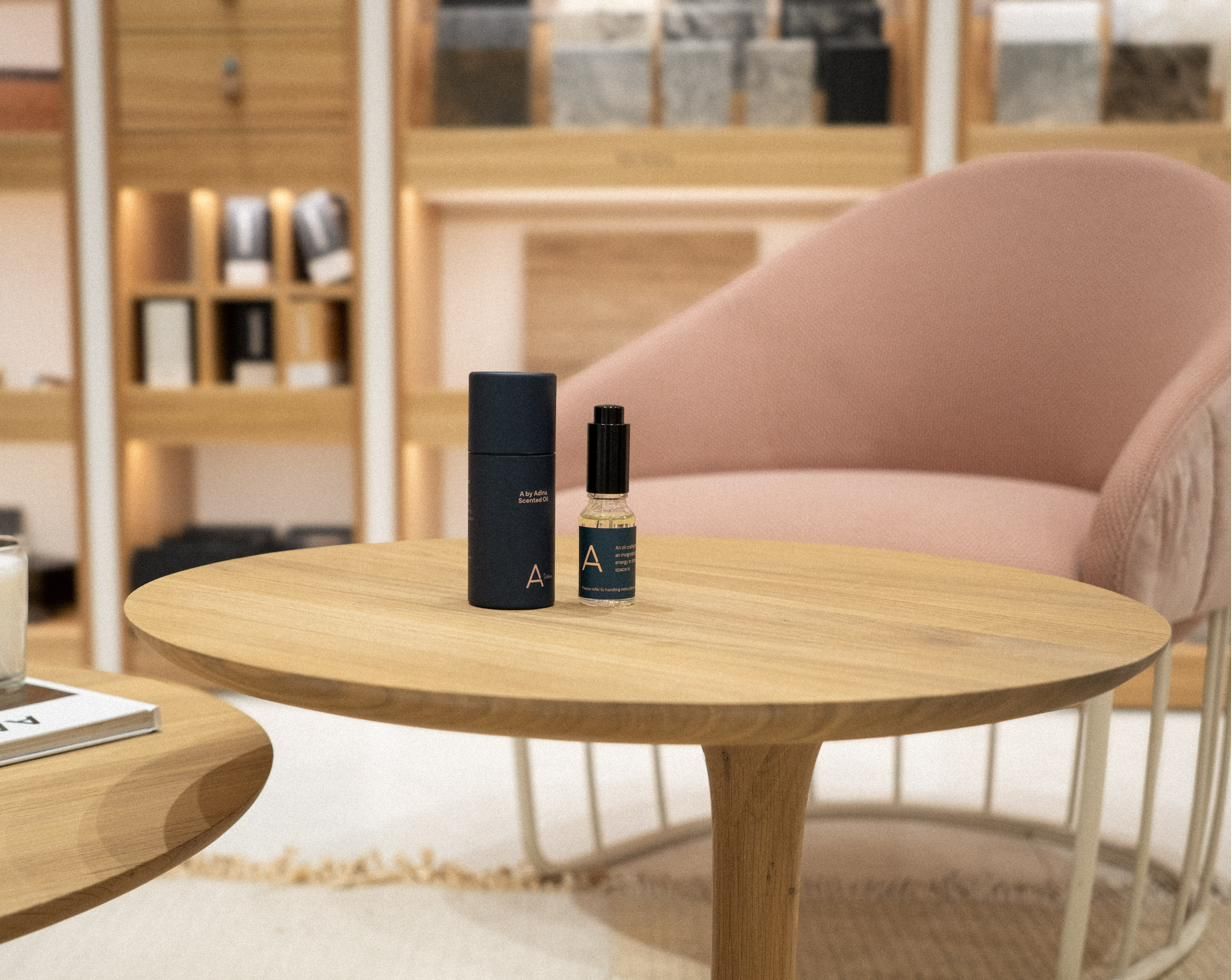
Where a hotel wants approved scented take-home or branded products, Scent Australia defines the scent strategy and brings the signature scent to life in branded products through Muse - The Atelier.
Muse - The Atelier
Custom and branded scented products, private production, corporate gifting
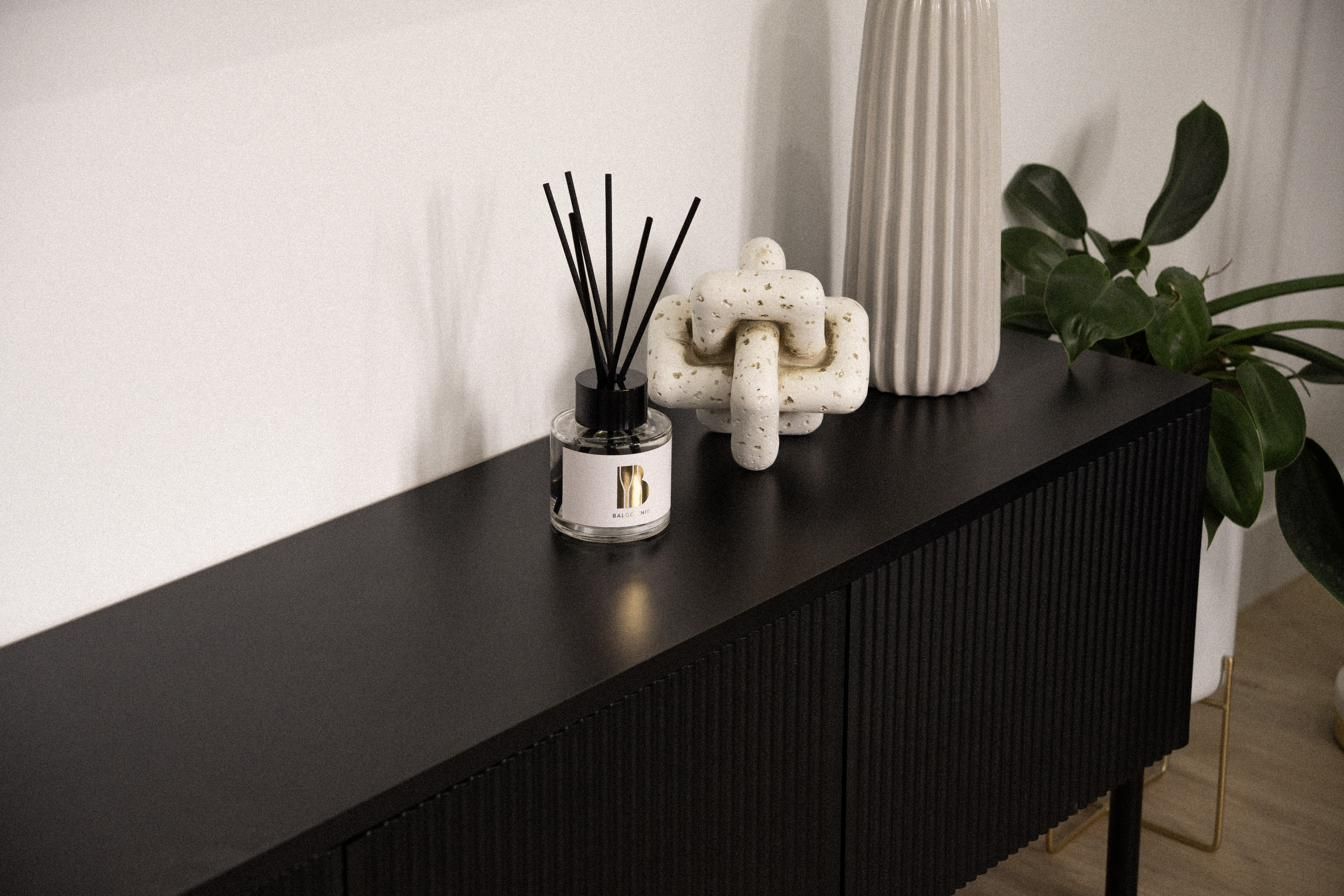
We can extend your scent into candles, room sprays and other branded products through The Atelier.

Cost factors
Every hotel programme is quoted to its scope. Zones, delivery method, operating hours, fragrance programme, service model and property count all change the commercial picture.
More on cost factors
- Number and type of zones
- Standalone, HVAC or mixed delivery
- Operating hours and access
- Existing fragrance or signature scent development
- Single property or group rollout
Decision factors
Questions we are often asked
Can hotel scenting be connected to HVAC?
Many hotels are well suited to HVAC scenting. Scent Australia confirms the mechanical layout, airflow, zoning and access through a site assessment before specifying the system.
Should restaurants or food areas be scented?
Restaurants and food-led zones are planned separately, so any scent complements the food and beverage experience rather than competing with it.
Can one scent be used across a hotel group?
Yes, if that is the brand strategy, but the equipment and settings may still vary by property. Multi-property consistency requires both fragrance control and site-specific technical planning.
Related resources


Start with the right conversation.
Build a scent plan in a few minutes, or speak to a Scent Australia specialist about your space, your brand and your timing.